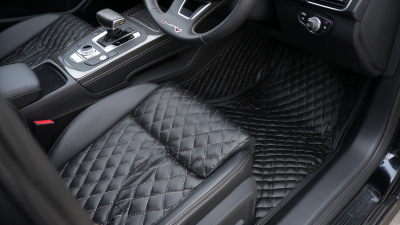
Picking the right weather mats for your car is pretty important for any vehicle owner out there. I mean, data from the Automotive Aftermarket Industry Association shows that almost 60% of folks who own a car really care about protecting their car's interior. Weather mats are great for that—they shield against mud, water, and spills, and they tend to last a good while.
You've got options too, with mats made from different materials like rubber and carpet. Rubber mats are usually better at keeping out water, according to some research by the Automotive Research Institute, while carpet mats can make your car look a bit fancier. But honestly, choosing the right one can sometimes feel like a bit of a dilemma—do I go for practicality or style?
When you’re picking out mats, it’s super important to think about what YOU actually need. Sometimes, folks might skip over how easy they are to clean or maintain, and then they end up feeling frustrated after a while. Doing a little homework—reading reviews or user experiences—can really help you figure out what’s reliable and what’s not. Basically, finding the right balance between these factors can really make a difference in how long your car stays in good shape and even what it’s worth if you decide to sell later on.
Weather mats, also known as floor mats, play a crucial role in maintaining your vehicle's interior. They protect against mud, snow, and spills. These elements can degrade your car's interior over time. Without proper mats, dirt can accumulate, leading to damage and unpleasant odors. The right mats can act as a barrier, catching moisture and debris effectively.
Choosing the right weather mats is about more than just aesthetics. Consider factors like material and fit. Rubber mats are durable and water-resistant. They are easier to clean than carpet options. A custom fit ensures full coverage of your car’s floors. This prevents dirt from leaking into hard-to-reach areas.
While many mats claim to be universal, not all fit perfectly. Imperfectly fitting mats can shift and create safety hazards. Reflecting on your needs is vital. Will you encounter extreme weather? If yes, investing in higher-quality mats may be necessary. Keep in mind, cheaper options may wear out quickly, leading to more costs in the long run. Evaluate your lifestyle and driving habits carefully before making a decision.
This chart compares the effectiveness of different materials used for weather mats based on durability, water resistance, ease of cleaning, and cost-effectiveness, helping you choose the right one for your vehicle.
When selecting weather mats for cars, it’s important to know the types available on the market. Weather mats come in various materials and styles, catering to different needs. Rubber mats offer excellent durability and water resistance. They are easy to clean and are effective in trapping dirt and moisture. On the other hand, carpeted mats provide a more aesthetic appeal and comfort, but they may not handle spills as well.
Another option is all-weather mats made from thermoplastic elastomer (TPE). These mats combine the benefits of both rubber and carpet. They are resistant to stains and provide a nice grip. You might think about how these different materials will react under extreme weather conditions before deciding.
Tips: Think about the climate you live in. If it rains often, rubber might be the best choice. If your area is dry, consider carpet mats. Measure your car's interior to ensure a perfect fit. You wouldn’t want a mat that shifts around. Lastly, always read reviews to understand how mats perform in real-world conditions.
When selecting weather mats for cars, key features play a crucial role. A well-designed mat should effectively trap dirt and moisture. According to a recent industry report, mats with deep channels can capture up to 80% more liquid compared to standard mats. This is essential, especially in wet climates. The material is equally important. Rubber mats often outperform carpeted options in terms of durability and easy cleaning.
Another aspect to consider is the fit. Universal mats might not provide adequate coverage, allowing debris to seep underneath. Custom-fit mats improve coverage and protection. Experts suggest that mats designed specifically for your vehicle model can reduce wear on the car's original flooring. Furthermore, texture matters. Mats with a non-slip surface ensure stability, minimizing the risk of accidents.
Lastly, odor resistance should not be overlooked. Some materials emit unpleasant smells, especially when exposed to heat. Research indicates that mats treated for odor control maintain a fresher environment inside the car. Choosing the right weather mats involves understanding these features and how they align with your driving habits and local conditions.
When choosing weather mats for cars, the material is crucial. Rubber and carpet mats are the two most common options. Rubber mats excel in water resistance and durability. They trap dirt and moisture effectively, making them ideal for muddy or snowy conditions. Their non-slip surface provides safety while driving. However, they can be hard on bare feet.
In contrast, carpet mats offer a softer feel. They enhance the car's interior and can be more aesthetically pleasing. They are not as durable as rubber mats and may absorb spills, leading to odors over time. Cleaning them is also more challenging, as stains can embed deep into the fibers. Yet, for those who prioritize comfort and style, carpet mats can be the right choice.
While both materials have advantages, consider your lifestyle. Think about your typical driving conditions. Evaluate how easy or difficult it is for you to clean. Both options have imperfections that require attention. Choose the one that suits your needs best, understanding that neither is perfect.
When selecting weather mats for cars, evaluating durability is essential. Quality materials impact longevity and resistance to wear. Research shows that rubber mats can last up to five years under normal conditions. However, exposure to extreme temperatures may lessen their lifespan. Studies indicate that synthetic fibers, while lightweight, can fray faster than traditional materials.
Maintenance greatly affects the durability of weather mats. Regular cleaning helps prevent grime and stains. A report by the Industry Standards Bureau suggests that mats cleaned bi-weekly lasted 30% longer than those cleaned less frequently. Simple maintenance routines can enhance their performance. While most mats are waterproof, seams may weaken over time, requiring attention.
Choosing a mat involves considering usage patterns. Heavy-duty mats work well for rugged environments, while lighter options serve everyday needs. Specialized designs may offer varying levels of traction and comfort. However, not all mats perform well under the same conditions. Some users report issues with slipping during harsh weather. Careful evaluation of these factors can guide your decision.
When choosing weather mats for your car, installation and care are crucial. Proper installation ensures they fit well, preventing dirt and moisture from seeping underneath. Research shows that improperly installed mats lose about 20% of their effectiveness. Align the mats correctly with your vehicle's floor. This minimizes movement while driving. Regular adjustments can also help maintain their position.
After installing the mats, proper maintenance is essential. Cleaning them regularly can extend their lifespan significantly. A study from the Vehicle Floor Mat Association indicates that routine cleaning can reduce wear by 30%. Use a vacuum to remove debris. A damp cloth or mild detergent can help with stains. Allow mats to dry completely before placing them back.
In addition to cleaning, inspect mats for wear and tear. Small cracks or fraying can lead to bigger problems. Replace mats showing significant damage. This proactive approach can save money and enhance safety. Weather mats play a vital role in protecting your vehicle's interior. Investing time in their care pays off in the long run.
| Feature | Description | Care Tips |
|---|---|---|
| Material | Rubber, carpet, or vinyl options | Regularly vacuum and wipe with a damp cloth |
| Fit | Custom-fit or universal-fit mats | Ensure that mats are properly secured to prevent sliding |
| Weather Resistance | Designed to withstand rain, snow, and mud | Remove debris and rinse with water to maintain performance |
| Non-Slip Features | Textured bottoms to reduce slipping | Check for wear and replace if necessary |
| Installation | Easy to install, no tools required | Follow manufacturer instructions for best results |
When choosing weather mats for your car, customer reviews can be invaluable. Look for mats that receive high ratings for durability and ease of cleaning. Many users emphasize the importance of materials. Rubber mats often excel in wet conditions, while carpet options may offer a more refined look. However, they may not hold up well against mud or spills.
Pay attention to customer feedback on fit. Mats should cover the floor area completely. Mats that shift or bunch can be a safety hazard. Some users mention issues with mats that don't stay in place, leading to frustration. Others highlight how custom-fit options provided superior coverage and stability.
Check for features mentioned in reviews. Some mats offer raised edges to contain spills better. Look for options that are easy to remove and clean. Sometimes, user reflections reveal that what seems perfect might not be once you live with it. Gathering insights from actual experiences is essential for making the right choice.
When it comes to protecting your vehicle's interior, all-weather automotive floor mats are an essential investment. Among the various options available, heavy-duty rubber mats stand out for their durability and performance in diverse conditions. Specifically, the Red Climaproof heavy-duty rubber mats are designed to withstand the rigors of daily use while ensuring your vehicle remains clean and mess-free.
The dimensions of these mats cater to both front and rear seating areas—front mats measuring 65 x 51 cm and rear mats at 32 x 46 cm—providing comprehensive coverage. Constructed from high-quality PVC, these mats are not only tough but also flexible, adapting to various vehicle types with their universal fit. Weighing just 3.7 kg, they are easy to handle and install, making them a practical choice for car owners seeking convenience without sacrificing protection. Available in a range of colors including black, grey, and tan, they can enhance the aesthetic of your vehicle's interior while effectively trapping dirt, water, and debris.
Overall, choosing the right all-weather floor mats can significantly impact your vehicle's upkeep. Heavy-duty options like these provide an ideal blend of functionality and style, ensuring you can tackle any weather condition with ease.
: Weather mats, or floor mats, protect a car's interior from mud, snow, and spills.
They prevent dirt accumulation, damage, and unpleasant odors in the vehicle.
Rubber and carpet are the two most common materials for weather mats.
Rubber mats are durable, water-resistant, and easier to clean compared to carpet options.
They can be hard on bare feet and may not provide the soft feel some prefer.
Carpet mats offer comfort and enhance the car's aesthetic but are harder to clean.
Consider material, fit, and your typical driving conditions before making a decision.
Not all universal mats fit perfectly, which can lead to safety hazards.
Think about your lifestyle, driving habits, and whether you encounter extreme weather.
Cheaper mats may wear out quickly, leading to more expenses in the future.
Weather Mats for Cars are essential accessories that protect vehicle interiors from harsh weather conditions and dirt. Understanding the importance of these mats can help car owners maintain their vehicles in pristine condition. There are various types of weather mats available, including rubber and carpet options, each with distinct advantages. When choosing the right mat, it's crucial to consider key features such as material durability, fit, and ease of maintenance.
A thorough material comparison reveals that rubber mats are often more resistant to water and mud, while carpet mats can offer a more aesthetic appeal. Evaluating the durability and maintenance needs of these mats is essential to ensure long-term use. Proper installation and care tips can enhance the lifespan of weather mats, so it's advisable to follow guidelines closely. Lastly, paying attention to customer reviews can provide valuable insights into the effectiveness of different weather mats for cars, helping potential buyers make informed choices.