0%

A car mat isn’t just some soft layer under your feet—it’s actually pretty important. It helps keep your car’s carpet safe from mud, water, dust, crumbs, and just daily wear and tear. After a rainy commute or outdoor adventure, a good-fit mat can catch moisture before it makes its way onto the carpet, saving you time cleaning and helping to keep things from smelling funky. Trust me, those little details make a difference.

When it comes to types, car mats generally come in carpet, rubber, thermoplastic, or all-weather options. Carpet mats feel nice and cozy, perfect if you mostly drive in dry, clean conditions. Rubber mats are super practical—they handle water and mud like a champ, and they’re easy to hose down after hiking, gardening, or a winter trip. Thermoplastic mats usually have deeper grooves, raised edges, and better spill protection—great if you want something more heavy-duty. Honestly, the best choice really depends on your climate, how you drive, your budget, and the shape of your car’s floors.

But here’s the thing—fit is way more important than looks. You want the mat to sit flat and not interfere with your pedals. Clipping it in with retention clips is a smart move to keep it from sliding around, especially for the driver. Make sure to check the manufacturer’s measurements and installation tips before you buy. A universal mat might look nice, but if it curls at the corners or blocks the pedals, that’s a real pain. Trust me, nobody wants to deal with that.

No mat is perfect, though. Deep grooves can trap dirt, and some carpets might stain easily. Rubber mats can feel a little less fancy, especially if your ride is all about that luxury vibe. The key is to inspect them regularly—take them out, rinse them off when needed, and let them dry completely before putting them back in. The right car mat should protect your floors, stay put, and match your everyday driving life—not just look good in a photo or online review.

What Is a Car Mat and Which Type Is Best?

What Is a Car Mat and What Does It Do?

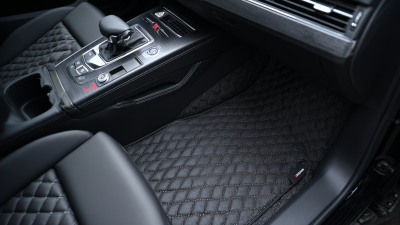
A car mat is a removable protective layer placed on a vehicle’s floor. It catches dirt, water, sand, food crumbs, and road salt before they reach the carpet. It also helps reduce stains, odors, and long-term wear. In simple terms, it protects the floor beneath your feet.

A good mat should fit the footwell without blocking pedals, seat movement, or floor controls. Retention clips or anchors can help prevent sliding. This detail matters more than appearance. A loose mat may fold under a pedal and create a serious driving hazard. During a routine check, look for curled edges, broken fasteners, and trapped moisture. It takes only a minute.

Carpet mats feel soft and match many interiors, but they absorb water and need regular vacuuming. Rubber or thermoplastic mats resist mud and spills, making them useful in wet or snowy conditions. Deep channels can hold liquid, although they may become difficult to clean. A custom-fit mat usually offers better coverage than a universal one, but measurements can still be imperfect. Small gaps may remain near the seat rails or door sill. Avoid choosing only by color or price. The best type depends on climate, driving habits, cleaning time, and the vehicle’s floor design. No mat solves every problem. Regular removal and drying remain necessary.

How Car Mats Differ by Material and Construction

A car mat protects the carpet from water, grit, salt, and daily abrasion. Its material and construction decide how well it performs. Rubber mats resist moisture and clean easily, but they can feel stiff in cold weather. Thermoplastic elastomer mats remain more flexible and usually have fewer odors. Carpet mats feel quieter and look softer, yet they absorb spills and need deeper cleaning. Polypropylene fibers dry faster than nylon, though they may show wear sooner.

Construction matters as much as material. A raised edge can hold melted snow, while a molded channel directs liquid away from shoes. A rigid heel pad reduces wear near the accelerator.

The 2024 Automotive Interior Materials Market report identifies thermoplastics and elastomer compounds as major interior material groups. NHTSA’s floor-mat safety guidance also stresses correct fit and secure retention.

A loose mat is not merely annoying; it can restrict pedal movement. No material is perfect. I would not choose softness over fit.

Tips: Measure the footwell before buying. Check the rear edge and pedal clearance. Press the mat flat after installation. Remove it if it curls, slides, or blocks a pedal. Industry durability testing often uses abrasion, temperature, and water exposure cycles, but real use is messier. Sand enters through tiny gaps. Coffee finds the seams. Even a well-rated mat can fail when its anchors wear.

Which Types of Car Mats Are Available?

Car mats protect the vehicle floor from water, grit, mud, and spilled drinks. Their design affects comfort, cleaning, and driving safety. Several types are available, and each suits different conditions.

Carpet mats are soft, quiet, and comfortable underfoot. They work well in dry climates and ordinary daily driving. However, their fibers can hold sand and moisture. Rubber mats resist water and clean easily with a hose. They are practical during rain, snow, or muddy seasons, though some feel less refined. All-weather mats use deeper channels to trap liquid and debris. Raised edges help protect the carpet around the footwell. Molded mats usually fit one vehicle shape closely. Universal mats cost less, but trimming may be necessary.

Custom-fit mats often provide the most complete coverage because they follow the floor contours. A reliable fit should not slide toward the pedals or cover the accelerator. Check the retention points after installation. That small detail matters. Drivers carrying children, pets, or outdoor equipment may prefer waterproof materials with textured surfaces. These surfaces can reduce movement, but they may be harder to wipe clean than expected. Carpet can look better, yet it needs regular vacuuming and occasional drying. Leaving a wet mat inside may create unpleasant odors and encourage material damage.

No type is perfect. The best choice depends on climate, vehicle use, cleaning habits, and fit. Inspect the edges and fastening system before buying.

How to Choose the Right Car Mat for Your Vehicle

Choosing a car mat starts with fit, not appearance. Your vehicle’s year, trim, and anchor points determine compatibility. Measure the footwell, then check pedal clearance with the seat fully forward and back. Test every retention clip. A loose mat can slide beneath a pedal, especially after repeated entry and exit. NHTSA’s Pedal Error study estimated roughly 16,000 related crashes annually in the United States. That figure does not prove mats caused those crashes. It does show why secure placement deserves serious attention.

For rain, snow, mud, or sandy roads, molded all-weather mats usually offer stronger containment. Raised edges can hold melted snow and spilled drinks away from carpeting. Thermoplastic materials also clean quickly with water. Carpet mats feel softer and reduce cabin noise, but they absorb moisture and trap grit. Choose them when your climate stays relatively dry. A practical test helps: place the mat inside, press its corners, and move your foot naturally across every pedal. Watch for curling edges.

Thickness matters too. A very deep mat may look protective but interfere with seat movement or rear-seat alignment. Check the manufacturer’s fit chart and the vehicle owner’s manual, not only online photographs. ASTM International’s floor-covering safety standards emphasize dimensional stability and performance testing, yet no standard guarantees perfect fit in every cabin. One honest limitation remains: the “best” material depends on climate, cleaning habits, and how often passengers enter with wet shoes. My checklist could still miss an unusual floor contour. Inspect it again after a week of driving.

What Is a Car Mat and Which Type Is Best? - How to Choose the Right Car Mat for Your Vehicle

Car Mat Type Common Material Coverage and Protection Main Advantages Potential Limitations Best Use Cleaning and Care Typical Service Life*
Carpet Mats Woven nylon, polyester, or polypropylene fibers with a rubber or thermoplastic backing Good coverage for everyday dust, light moisture, and ordinary foot traffic; usually available in fixed vehicle shapes Quiet underfoot, comfortable, lightweight, and available in many pile textures and colors Absorb moisture; mud and spilled liquids can be harder to remove; may retain odors if not dried properly Dry climates, commuting, and drivers who prefer a factory-style appearance Vacuum regularly; spot-clean stains with a suitable fabric cleaner; dry completely before reinstalling About 2–5 years, depending on traffic, cleaning, and material quality
Rubber Mats Molded natural or synthetic rubber Resists water, mud, snow, and road debris; raised edges may help contain spills Durable, water-resistant, easy to rinse, and generally effective in wet or dirty conditions Heavier than fabric mats; may have a rubber odor when new; can become less flexible in very cold weather Rainy or snowy regions, outdoor use, work vehicles, and frequent exposure to mud Remove from the vehicle, rinse or hose off, wash with mild soap, and air-dry fully About 3–7 years with regular use and proper care
Thermoplastic Mats Thermoplastic elastomer or other molded thermoplastic compounds Often designed with deep channels, raised borders, and tailored contours for broad floor coverage Water-resistant, flexible, relatively lightweight, and easier to clean than absorbent fabric Fit and edge height vary by design; some surfaces may become slippery when wet or worn All-season driving and owners seeking a balance between flexible rubber and hard plastic Take out, shake or vacuum loose debris, then clean with mild soap and water; avoid harsh solvents About 3–6 years, depending on sunlight, use, and material thickness
All-Weather Mats Usually molded rubber or thermoplastic material Deep grooves and raised outer lips are designed to contain water, dirt, sand, and melting snow Strong seasonal protection, easy debris removal, and better liquid containment than low-pile carpet May look less formal than carpet; trapped debris can wear the floor surface if mats are not removed and cleaned Vehicles used year-round in areas with changing weather or frequent wet conditions Remove regularly, empty debris from channels, wash with mild detergent, and inspect the underside About 3–6 years, depending on climate, cleaning, and foot traffic
Vinyl Mats Flexible polyvinyl chloride or vinyl-based compounds Provides a moisture-resistant barrier and is commonly made with a flat or lightly textured surface Affordable, lightweight, and simple to wipe clean Can crack or curl with age and temperature changes; usually offers less cushioning and containment than deep-channel mats Basic spill protection, occasional use, and budget-conscious applications Wipe with a damp cloth or mild soapy water; avoid petroleum-based cleaners and prolonged direct heat About 1–4 years, depending on flexibility, sunlight, and temperature exposure
Custom-Fit Mats Carpet, rubber, thermoplastic, or a combination of materials shaped for a specific vehicle floor Designed to follow the floor contours and may include coverage around the footwells and raised edges Usually provides better coverage, less movement, and a cleaner fit than universal mats Vehicle-specific; replacement cost may be higher; incorrect model-year selection can cause poor fit Drivers prioritizing coverage, appearance, retention, and compatibility with the vehicle floor layout Use the care method for the selected material; remove and inspect clips, anchors, and the underside regularly About 3–7 years, mainly determined by material and usage conditions
Universal-Fit Mats Carpet, rubber, vinyl, or thermoplastic material in broadly shaped sizes Offers basic floor coverage but may leave gaps or require trimming to match the footwell Widely available, generally less expensive, and easy to replace May slide, interfere with pedals, or provide incomplete coverage if not correctly trimmed and secured Temporary replacement or vehicles with simple floor layouts, provided fit and retention are verified Clean according to the material; check position after installation and trim only where permitted by the design About 1–4 years, depending on fit, material, movement, and frequency of use

*Typical service-life ranges are general estimates. Actual durability depends on material thickness, climate, ultraviolet exposure, cleaning methods, driver traffic, and whether the mat remains securely positioned.

What Features Make a Car Mat Effective?

What Is a Car Mat and Which Type Is Best?

An effective car mat should control movement, contain spills, and fit the footwell precisely. NHTSA warns that unsecured mats may interfere with accelerator or brake pedals. That risk makes retention clips essential, not decorative. A raised edge also helps trap rainwater, sand, and melting snow. Rubber or thermoplastic mats usually handle moisture better than fabric options. Carpet mats can feel warmer and quieter, but they need regular drying.

The Federal Highway Administration reported about 3.26 trillion vehicle miles traveled in 2023. That number shows how often small interior details face repeated stress. NHTSA recorded 42,514 traffic fatalities in 2022, although its data does not measure mat-related incidents directly. This limitation matters. It would be careless to call one material universally safest. Measure the footwell first, check pedal clearance, and match the mat to local weather. A perfect-looking mat can still curl at the edge.

Tips: Remove the mat before vacuuming underneath. Test every pedal fully. Look for trapped water after storms. Replace mats when backing becomes smooth or clips no longer hold firmly. I once assumed deeper channels were always better, but overly tall edges can restrict foot movement. Fit matters most.

How to Install, Clean, and Replace Car Mats

What Is a Car Mat and Which Type Is Best?

A car mat protects the floor from dust, mud, spilled drinks, and damp shoes. Rubber mats suit wet or muddy conditions, while carpet mats feel softer and reduce road noise. The best choice depends on your climate, daily routes, and how often you clean the interior.

How to Install, Clean, and Replace Car Mats

Remove the old mats before installing new ones. Vacuum the floor and check for trapped stones or moisture. Match each mat with its correct footwell, then secure the driver’s mat to the vehicle’s retention clips. It must lie flat without touching the pedals. Never stack mats. After installation, press each corner and test pedal movement while parked. Check the fit again after driving, because mats can shift slightly.

Cleaning needs a different approach for each material. Shake out loose dirt, rinse rubber mats, and scrub their grooves with mild soap. Let them dry completely before reinstalling them. Use a vacuum on carpet mats, then treat small stains with a damp cloth and suitable interior cleaner. Avoid soaking the backing.

I once reinstalled a mat too soon, and the lingering moisture caused an unpleasant smell. That mistake was avoidable.

Tips: Inspect mats monthly, especially around the accelerator and brake pedals. Replace a mat when its surface becomes thin, curled, cracked, or unable to stay secured. Keep the vehicle manual nearby for fit and clip guidance. Small checks prevent larger problems.

FAQS

: What does a car mat protect against?

: It shields the carpet from water, grit, salt, mud, spilled drinks, and daily shoe abrasion. Small particles matter.

Which mat material works best in wet weather?

Rubber or thermoplastic elastomer mats resist moisture and clean easily. They suit rain, snow, and muddy routes. Some rubber mats feel stiff in cold weather.

Are carpet mats suitable for everyday driving?

Carpet mats feel soft, quiet, and comfortable underfoot. They suit dry climates and ordinary driving. However, fibers can hold sand, coffee, and moisture.

What are the advantages of all-weather mats?

All-weather mats use deep channels and raised edges to hold liquid and debris. They protect more floor area. Their textured surfaces may take longer to wipe clean.

Do custom-fit mats provide better protection?

Custom-fit mats usually follow the footwell contours more closely. They can reduce gaps near the edges. Fit matters more than softness.

How should a driver install new mats safely?

Remove the old mats and vacuum trapped stones or moisture. Match each mat to its footwell. Secure the driver’s mat to its retention points. Never stack mats.

How can drivers check whether installation is safe?

Press every corner until the mat lies flat. Check pedal clearance while parked. The mat must not slide toward the accelerator or brake pedal. Check again after driving.

How should different mats be cleaned?

Shake out loose dirt and rinse rubber mats with mild soap. Scrub the grooves, then dry them completely. Vacuum carpet mats and treat stains with a damp cloth. Avoid soaking the backing.

When should a car mat be replaced?

Replace it when the surface becomes thin, curled, cracked, or loose. Inspect the accelerator and brake areas monthly. Worn anchors can cause movement. A highly rated mat can still fail.

Conclusion

A Car Mat is a practical interior accessory designed to protect a vehicle’s floor from dirt, mud, water, dust, spills, and everyday wear. It also helps keep the cabin cleaner and more comfortable. Car mats vary in material and construction, including flexible rubber, durable vinyl, carpet, and molded designs. Each type offers different advantages in appearance, grip, water resistance, coverage, and ease of maintenance. Some mats are lightweight and easy to remove, while others are shaped to fit the vehicle floor more precisely.

Choosing the right car mat depends on the vehicle’s floor dimensions, climate, driving habits, and cleaning needs. An effective mat should stay securely in place, provide sufficient coverage, resist moisture, and have edges that help contain debris or liquid. Proper installation requires aligning the mat with the floor and checking that it does not interfere with the pedals. Regularly remove and clean mats according to their material, and replace them when they become cracked, worn, curled, or unable to remain stable.

Natalie

Natalie

Natalie is a dedicated marketing professional at Zhejiang Litai Plastic Mould Co., Ltd., a company established in 2000. With an extensive background in the manufacturing of high-quality automotive products, including car floor mats, trunk mats, door mats, and utility mats, Natalie possesses a deep......
Previous 2026 How to Choose All Weather Car Mats for Every Season?