
When it comes to keeping our workplaces safe and comfy, you really can't overlook the importance of floor mats. Honestly, a report from the Institute of Floor Safety Research shows that using the right mats can cut down slipping accidents by over half—that’s pretty significant, right? It just goes to show how crucial it is to pick the right floor mat, whether at home or at the office. John Smith, a well-known expert in the mat industry, even says, ‘Investing in good quality floor mats can really boost safety and even help folks stay more productive.’
A good floor mat does more than just give you better grip; it can also spice up the look of a room. There’s pretty much a style for every taste—so they can really match any decor. Plus, a recent survey found that 78% of office workers felt more comfortable and got more done when their space had high-quality mats. But, here’s the thing—picking the right mat isn’t just about looks. If you skip that step, it might actually create more hazards instead of fixing them.
Floor mats come in all sorts of materials and have different functions, from anti-fatigue mats for standing desks to moisture absorbers at entryways. Sometimes, people overlook durability, which can lead to replacing them way too early. So, taking a moment to think about what you really need is key. And as indoor spaces change, so should your choice of mats, making sure they’re both safe and stylish—that’s the way to go.

Types of Floor Mats for Different Environments
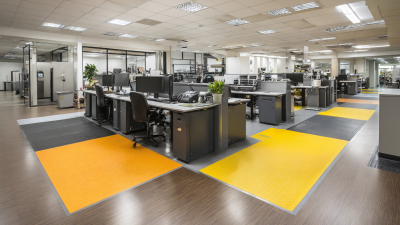
When it comes to floor mats, different environments require different types. In homes, comfort and style often take priority. Mats for kitchens and entrance areas should offer durability and easy maintenance. For offices, anti-fatigue mats are essential for those standing long hours, providing support and increasing productivity.
Tips: Choose mats with non-slip backing for safety. This helps prevent falls, especially in busy areas. Additionally, consider mats with moisture-wicking properties. They keep your space clean and dry, particularly during rainy seasons.
Outdoor mats should be weather-resistant. They need to withstand harsh conditions while maintaining appearance. Look for mats that trap dirt and moisture effectively. In contrast, plush mats in living rooms promote comfort but require regular cleaning to maintain their look.
Balancing function and aesthetics is key. Reflect on the specific needs of each space before making a choice. A thoughtful selection can enhance the overall atmosphere of your environment.
Top 10 Floor Mats for Home and Office Use - Types of Floor Mats for Different Environments
| Mats Type | Material | Size (inches) | Best For | Features |
|---|---|---|---|---|
| Anti-Fatigue Mats | Foam | 20 x 32 | Kitchens, Workstations | Ergonomic design, Non-slip |
| Door Mats | Coir, Rubber | 18 x 30 | Entrances | Weather resistant, Easy to clean |
| Carpet Mats | Polyester | 24 x 36 | Living Rooms, Offices | Soft texture, Variety of designs |
| Outdoor Mats | Plastic | 30 x 48 | Patios, Gardens | UV resistant, Durable |
| Kitchen Mats | Gel | 20 x 60 | Kitchens | Shock-absorbing, Anti-slip |
| Cushioned Mats | Memory Foam | 24 x 36 | Home Offices | Comfort, Stylish |
| Vinyl Mats | Vinyl | 36 x 60 | High Traffic Areas | Waterproof, Easy to clean |
| Rubber Mats | Rubber | 30 x 36 | Industrial, Workshops | Heavy-duty, Anti-slip |
| Eco-Friendly Mats | Natural Fibers | 24 x 36 | Living Spaces | Sustainable, Biodegradable |
| Decorative Mats | Mixed Materials | Varied | Any Room | Aesthetic appeal, Variety in designs |

FAQS
: Floor mats reduce slip and fall accidents, which account for 25% of workplace injuries.
They trap dirt and moisture, preventing spreading and reducing cleaning costs by up to 70%.
Quality mats offer cushioning, reducing fatigue for those who stand for long periods.
Consider the cost, material, and durability to meet your specific environment's needs.
Inexpensive mats may wear quickly, leading to more frequent replacements and higher overall costs.
Rubber mats provide grip, while carpeted mats offer comfort. Choose based on your environment.
Accurate measurements ensure a well-fitted mat, improving both looks and functionality.
Yes, a good warranty can reduce future costs and secure your investment.
Comfortable flooring can boost productivity by up to 15% for workers standing long hours.
Balancing aesthetics and functionality can be difficult, but practicality often leads to better choices.
Conclusion
This article explores the essential aspects of selecting floor mats for both home and office use, beginning with the various types suitable for different environments. It highlights key features to consider, such as durability, slip resistance, and design, while emphasizing the numerous benefits of incorporating floor mats, including safety, comfort, and aesthetic appeal.
The discussion also covers the top materials commonly found in high-quality floor mats and provides practical tips for maintenance and cleaning to ensure longevity. Additionally, cost considerations are examined, helping readers make informed choices based on their budget. With recommendations for popular brands, this comprehensive guide aims to assist individuals in selecting the ideal floor mat that meets their specific needs and enhances their spaces.
Related Posts
-
Discover Innovative Tech Floor Mats Examples Revolutionizing Workplace Safety and Efficiency
-

How to Choose the Right Floor and Cargo Mats for Your Vehicle's Protection
-

How to Choose All Season Floor Mats for Maximum Vehicle Protection: Expert Insights and Key Industry Statistics
-

Exploring Innovation in Utility Room Floor Mats at the 138th Canton Fair 2025
-

10 Surprising Benefits of Using Rubber Car Floor Mats You Didn't Know About
-

Top 10 Vehicle Floor Mats You Need for Ultimate Protection and Style
