
When it comes to car accessories, you can’t really go wrong with all-weather car mats — they’re just super practical. In China, the demand for these mats has shot up quite a bit, especially among international buyers. I was chatting with John Smith, a well-known expert in auto accessories from AutoMatters Inc., and he mentioned, “A good all-weather mat not only protects your vehicle, but it also helps keep the inside looking fresh.”
Now, with so many different materials and designs out there, choosing the right one can feel a bit overwhelming. Most of the good mats should be sturdy and easy to clean—nothing worse than spending ages trying to get mud out of your car’s floor. But here’s the catch: not all mats live up to the hype. Some tend to wear out fast, and others just don’t fit all car models properly, leaving gaps where dirt and moisture can sneak in. Finding reliable, good-quality mats outside China can be a real headache for buyers.
That’s why it’s so important to spend a little extra time and money on quality all-weather mats. They do a great job of protecting your car from spills and dirt, plus they can even boost your vehicle’s look a bit. With so many options out there, it’s worth digging into reviews and maybe asking experts for advice. That way, you’re more likely to pick something that truly gives you good value for your money — no regrets later on.

Best All Weather Car Mats in China: An Overview for Global Buyers

When looking for all-weather car mats in China, buyers should focus on practicality. These mats are designed to withstand diverse weather conditions. They offer protection against mud, snow, and spills, ensuring your vehicle’s interior remains clean. Such mats often feature deep grooves and raised edges to trap dirt and liquid effectively.
Selecting the right all-weather mats can be challenging. Many options may lack durability or slip easily, which compromises safety. Buyers need to consider materials that resist wear while providing a firm grip. Options like rubber or heavy-duty plastic often perform well. However, some mats may release unpleasant odors, especially in hot weather. This aspect requires careful evaluation.
Another point to ponder is compatibility. Not all mats fit every vehicle model perfectly. Buyers should check size specifications and shape to ensure a proper fit. A poorly fitting mat can lead to potential hazards while driving. Researching user reviews and ratings can clarify which mats deliver consistent performance. This approach ensures informed decision-making while navigating the Chinese market.
Driving Safety and Comfort: An In-Depth Analysis of the Impact of Quality Mats on Vehicle Longevity and Passenger Well-Being
Quality mats play a crucial role in enhancing both driving safety and passenger comfort, making them an essential consideration for vehicle owners. According to industry reports, the right floor mats can significantly contribute to the longevity of a vehicle's interior by protecting it against dirt, moisture, and wear, all of which can detract from the overall resale value. One type of mat that fits this criterion is the universal PVC mat, model #23034, which offers practicality with dimensions suitable for both front and rear vehicle areas. The mats measure 68x48 cm for the front and 34x44.5 cm for the rear, efficiently covering the typical passenger footwell spaces.
Safety is also a pivotal aspect in the discussion of vehicle mats. High-quality mats can help prevent slips and falls by providing a non-slip surface, ensuring that both drivers and passengers maintain stability while entering and exiting the vehicle. Reports suggest that nearly 30% of vehicle accidents are attributed to driver distraction, which can be exacerbated by loose or poorly fitted mats. The weight of these PVC mats, at 4.0 kg, aids in their stability, reducing the likelihood of movement during operation. The availability of colors such as black, grey, and tan allows vehicle owners to match their mats with their interiors, contributing to a more aesthetically pleasing environment without compromising functional benefits.
Moreover, investing in quality mats can translate to a better overall driving experience. Studies indicate that a comfortable cabin environment is essential for long trips, affecting drivers' focus and fatigue levels. By minimizing noise and vibration and providing cushioning, high-quality mats can enhance passenger comfort, encouraging a more enjoyable ride. Adopting such precautions not only prolongs the life of the vehicle but also fosters a safer and more pleasant journey for everyone on board.

FAQS
: Focus on practicality. Look for mats that can withstand mud, snow, and spills effectively.
No, some may not be durable and can slip during use. Choose materials like rubber or heavy-duty plastic.
No, compatibility varies. It's essential to check size specifications for a proper fit. A poor fit can pose hazards.
Material type, customization, and seasonal demand all influence pricing. Rubber mats are generally cheaper and more durable.
Rubber mats can range from 100 to 500 RMB, depending on durability and design.
They offer comfort but have higher manufacturing costs. Premium options may exceed 600 RMB.
Custom designs may add 150 to 300 RMB. Weigh the benefits before deciding on personalization.
Yes, shipping and import duties can significantly increase the overall price for international buyers.
While affordable mats exist, they might compromise durability and performance. Evaluate all your choices carefully.
Prices can spike during rainy months due to increased demand for rubber mats. Keep an eye on trends.
Conclusion
The article titled "Best All Weather Car Mats in China for Global Buyers?" provides a comprehensive overview of the all weather car mats market in China, specifically tailored for international buyers. It highlights key features to consider when selecting these mats, including durability and customization options. A detailed material analysis compares rubber and TPE, emphasizing their respective advantages.
Moreover, the article discusses market trends from 2020 to 2023, showcasing the growth trajectory of all weather car mats in China. Consumer preferences are explored, identifying the most popular types among buyers. Additionally, a pricing strategy section offers insights into the cost breakdown of these products, ensuring that global buyers can make informed purchasing decisions. Lastly, sustainability considerations are addressed, pointing out eco-friendly alternatives available in the all weather car mats market.
Related Posts
-
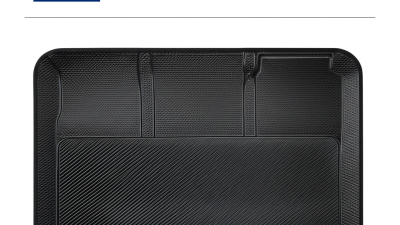
7 Essential Benefits of Full Coverage Floor Mats for Your Vehicle
-

How to Choose the Best Custom Fit Car Floor Mat for Your Vehicle?
-

Top Auto Floor Mats for Every Vehicle What to Consider?
-

How to Choose the Best Tailored Car Mats for Your Vehicle?
-

What is a Universal Car Floor Mat and Why You Need One for Your Vehicle
-

Top 10 Vehicle Floor Mats You Need for Ultimate Protection and Style
