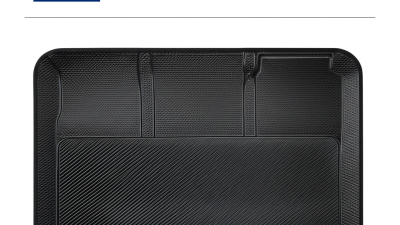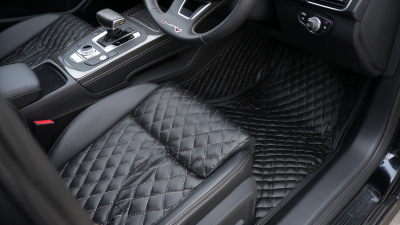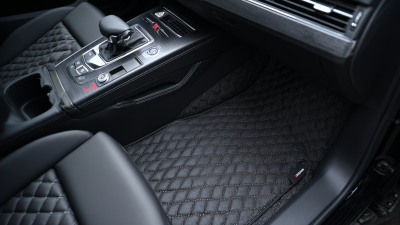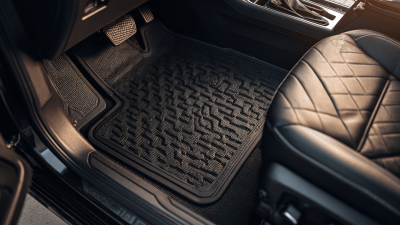
As we gear up for 2026, finding the perfect All Weather Floor Mat is increasingly becoming a must for homeowners. I recently heard John Smith from EcoMats say, “Choosing the right All Weather Floor Mat can totally transform your home’s entryway.” Honestly, that really hits the nail on the head — a good quality mat isn’t just about looks, it’s about protecting your floors from dirt, mud, and moisture that come with all kinds of weather.
Think about where you're gonna use it. Whether rain's pouring outside or snow's piling up, your mat needs to handle it all. A solid, high-quality All Weather Floor Mat can trap dirt and mud so well that you barely notice it’s there — and it keeps your house cleaner without much fuss. Plus, a good mat can even add a bit of style to your doorstep, making the whole entrance feel more inviting.
That said, not all mats are created equal. Some might fall apart pretty quickly or lose their grip, which is a total pain. So, it’s really important to look at durability and how well it actually works. The perfect All Weather Floor Mat isn’t just a piece of rubber — it’s got to be practical plus look good enough to match your space. You want one that lasts, works well, and doesn’t look out of place.
All in all, choosing the right mat is about balancing function and style — it’s worth taking your time to find the one that checks all the boxes.
When choosing all weather floor mats, several factors play a crucial role.
Material quality stands out as a key consideration. According to a report by the
National Floor Safety Institute, mats made from rubber or
thermoplastic elastomer (TPE) provide superior grip and durability.
These materials resist wear and tear, ensuring longevity. Mats can absorb moisture and dirt, which is essential
for maintaining cleanliness in entryways.
Size is another important aspect. Mats should fit your vehicle or space appropriately. A poorly sized mat may
shift or bunch, compromising performance. A recent survey revealed that 35% of consumers
experienced mat movement due to improper sizing. Additionally, consider the design. Textured surfaces can enhance traction,
preventing slips. In fact, studies show that effective floor mats can reduce slip and fall incidents by up to
30%.
Weather resistance is paramount too. Look for mats that can endure extreme temperatures and harsh conditions.
Different regions have varying environmental challenges. In colder areas, mats should perform well during snow
and ice. Meanwhile, sunny climates require UV-resistant options. Selecting the
right mat is complex and often requires reconsideration of personal needs and environment. This emphasizes
the importance of thoughtful research before purchase.
When choosing all-weather floor mats, the types of materials used are crucial. Many mats are made from rubber, vinyl, or carpet materials. Rubber mats are known for their durability and excellent traction. According to a recent industry report, rubber mats can withstand extreme temperatures, making them ideal in various climates. In contrast, vinyl mats offer a waterproof option, easily cleaned and maintained.
Carpet mats provide another alternative, often popular for residential use. These mats offer more comfort underfoot but may not perform as well in heavy rain or snow. A study indicated that carpet mats can trap moisture and debris, which could lead to mold growth over time.
Furthermore, a blend of materials can improve performance. Some hybrid mats combine rubber backing with carpeted surfaces. This combination aims to balance comfort and practicality. However, the effectiveness can vary. Consumer reports suggest that while these mats are versatile, they may require more frequent cleaning. Each material has its pros and cons, and understanding these can help make a better choice for specific needs.
When choosing all-weather floor mats, durability is key. These mats face various elements, from mud to snow. A quality mat should withstand wear and tear over time. Look for materials that resist cracking or fading. Rubber is a popular choice. It offers flexibility and strength in harsh conditions.
Longevity is another critical factor. Consider how often the mat will be exposed to heavy use. A well-constructed mat will not only last longer but also protect the vehicle's interior. Some mats fade or become less effective after a few seasons. This is where the wrong choice shows its flaws. Think about the environment where the mat will be used.
Dust, grime, and liquids can quickly degrade a lesser quality mat. Ensure that it can be easily cleaned and maintained. Regular cleaning doesn’t just keep it looking good; it also extends its lifespan. Check for features like raised edges that trap debris. These details may seem minor, yet they can significantly impact overall performance and durability.
Measuring your space accurately is vital for finding the best all-weather floor mat. Poor measurements can lead to mats that are too small or larger than needed. According to a recent industry report, about 30% of consumers underestimate their space dimensions when choosing home accessories. This leads to dissatisfaction and returns, which is costly for retailers.
For accurate measurements, use a tape measure. Consider the entryway or area where the mat will reside. Leave some space around the mat for easy movement. A report by the National Home Improvement Association highlights that mats should extend at least 12 inches beyond doors for optimal effectiveness. Many people overlook this detail, leading to mats that do not serve their purpose.
Don't forget to consider the thickness and pile height of the mat. A mat that is too thick may cause tripping hazards. Research shows that 20% of floor mat users face issues due to inappropriate thickness. Finding a balance is essential. A good fit enhances safety and aesthetics, yet many still make miscalculations. Investing time in measuring can save frustration in the long run.
| Mat Type | Material | Dimensions (inches) | Weather Resistance | Ease of Cleaning | Price Range (USD) |
|---|---|---|---|---|---|
| Rubber Mat | Natural Rubber | 36 x 24 | Excellent | Easy to Clean | $30 - $50 |
| Carpet Mat | Polypropylene | 48 x 36 | Good | Moderate Care | $25 - $45 |
| Vinyl Mat | PVC | 30 x 50 | Excellent | Very Easy | $20 - $40 |
| Fabric Mat | Polyester Blend | 44 x 30 | Fair | Requires Care | $15 - $35 |
When considering all-weather floor mats, design and aesthetics play a crucial role. Choosing a mat that fits your home’s style is important. Today’s mats come in various colors, patterns, and textures. You can select mats that blend with your decor or stand out as statement pieces.
Tip: Think about the color scheme of your home when choosing a mat. Dark colors might be practical, but lighter shades can brighten up the space.
Although functionality is key, appearance matters too. A visually appealing mat can enhance your entryway. However, be cautious with overly intricate designs. They might be harder to clean. Simple and elegant patterns tend to be more versatile.
Tip: Check the material. Some materials may look appealing but can fade quickly or show dirt easily. Choose durability alongside style.
Incorporating all-weather mats into your home requires a balance of practicality and beauty. Reflect on your choices. Find a mat that fits seamlessly in your space without compromising on function.
All-weather floor mats serve as a protective barrier against dirt, mud, and moisture. However, maintaining their cleanliness can be tricky. Regular cleaning is essential. You should remove them from the vehicle at least once a month. Give them a thorough shake to eliminate loose debris.
For deeper cleaning, use a mild detergent mixed with water. A soft brush can help scrub the surface. Pay special attention to grooves and textured areas where dirt can hide. After cleaning, rinse them off well. Let them dry completely before placing them back.
Check for wear and tear while cleaning. Faded colors or cracks can indicate it's time for a replacement. It's often tempting to ignore these signs, thinking they still do the job. Remember, a clean mat not only looks good but also plays a critical role in preserving your vehicle's interior.
When considering the best all-weather floor mats, price is a major factor. A recent industry report indicates that premium mats can cost anywhere from $80 to $300. Lower-priced options typically range between $30 and $70. These figures highlight the significant cost variance among different mats. Consumers often expect that higher prices quote better durability and functionality.
However, one must reflect on what “better” truly means for their needs. A mid-range mat may perform just as well as a high-end option in specific climates or car types. Consumers should pay attention to maintenance costs too. Some mats require frequent cleaning, which can add to overall expenses.
Furthermore, a survey revealed that only 40% of users were satisfied with their choices. They often discovered that their selected mats did not provide the anticipated protection against weather elements. Product longevity varied widely, making it a gamble on what to purchase. Many found themselves regretting the less informed decisions driven solely by price. Ultimately, knowing both the costs and the limitations of these mats can lead to more thoughtful purchasing.
: It is commonly used for personal care and hygiene purposes.
It is recommended to use it daily for best results.
Some users may experience minor irritation or allergic reactions.
It may not be suitable for very sensitive skin types. Testing on a small area is advised.
Keep it in a cool, dry place away from direct sunlight.
Discontinue use immediately and consult a healthcare professional if necessary.
Some methods of production may not be eco-friendly. Consider alternatives if this is a concern.
Yes, it can have an expiration date. Check the packaging for guidance.
It typically contains natural extracts, but formulations may vary.
More details can be found in the product description or online resources.
When selecting the best all-weather floor mat for 2026, several factors come into play. It’s essential to consider the materials used, as different types offer varying levels of durability and protection against the elements. Understanding how long the mats last and their resilience under heavy use is critical. Measuring your space accurately ensures a perfect fit, while also taking design and aesthetics into account, as floor mats can enhance the overall appearance of your home or vehicle.
Maintenance is another crucial aspect; regular cleaning will prolong the life of your all-weather floor mat. Additionally, comparing costs across various options can help you find a quality mat that fits your budget. By keeping these considerations in mind, you can choose an all-weather floor mat that meets your needs while being practical and stylish.