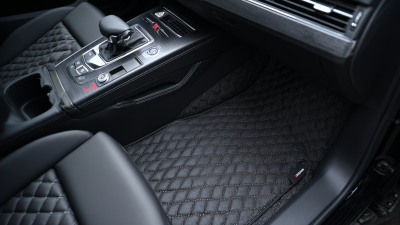
Picking out the right car mat might not seem like a big deal, but honestly, it can really make a difference in your driving experience. I came across a report from AutoAccessoriesGarage that mentioned how good quality mats can actually boost safety—like, they help prevent slips and falls. And automotive expert John Smith emphasizes,
Car mats play a crucial role in protecting your vehicle's interior. They act as barriers against dirt, moisture, and wear. According to a study by the Automotive Industry Association, vehicles with quality mats experience 30% less interior wear compared to those without. This protection extends the life of your vehicle, enhancing resale value over time.
Many drivers overlook the significance of car mats. Some assume the standard mats suffice. However, with varied climates and terrains, specialized mats are essential. For example, all-weather mats are recommended for areas with heavy rain or snow. They provide superior grip and easy cleaning, making them a wise investment.
Tip: Regularly clean your mats to prevent dirt buildup and maintain your vehicle’s cleanliness.
Another consideration is material. Rubber, carpet, and vinyl all offer different benefits. Rubber mats are durable and waterproof, while carpet mats feel plush but may absorb moisture. Identify your primary needs before purchasing.
Tip: Evaluate your lifestyle and driving conditions to choose the right material.
Reflect on how your current mats perform. Are they doing their job effectively? A good car mat should protect against spills, mud, and debris. Investing in high-quality mats could save money on future repairs and replacements.
| Car Mat Type | Material | Water Resistance | Ease of Cleaning | Durability | Price Range |
|---|---|---|---|---|---|
| Rubber Mats | Rubber | Excellent | Easy | Very High | $30 - $100 |
| Carpet Mats | Carpet | Moderate | Moderate | Medium | $20 - $60 |
| All-Weather Mats | Thermoplastic | Excellent | Easy | High | $40 - $120 |
| Custom Fit Mats | Varies | Variable | Variable | Variable | $70 - $200 |
| Linoleum Mats | Linoleum | Good | Moderate | Medium | $25 - $80 |
When choosing a car mat, consider the materials carefully.
Rubber mats are excellent for heavy-duty use.
They resist spills and dirt effectively. A high-quality rubber mat can handle muddy shoes or pet hair.
They often have ridges to trap liquids and keep your vehicle clean. However, some find them less comfortable underfoot.
Carpet mats bring a different feel. They add warmth and a touch of elegance to your interior.
Carpet mats can enhance sound insulation, making your ride quieter. Yet, they require regular cleaning.
They’re prone to stains and wear. The choice really depends on your lifestyle.
All-weather mats are a hybrid option. They combine features of both rubber and carpet mats.
They are durable and designed for various climates. All-weather mats are easy to clean and resist moisture.
This option might not be as aesthetically pleasing as carpet mats.
It's essential to reflect on how you use your vehicle.
Choose wisely based on your specific needs.
When selecting the best car mats for your vehicle, consider several key factors. The type of material is crucial.
Rubber mats are durable and easy to clean, making them ideal for muddy or snowy conditions.
Carpet mats offer a softer feel but may not hold up in harsh weather. Think about your lifestyle. If you frequently transport kids or pets,
stain-resistant options are vital.
Look at the fit of the mats. Universal mats may not cover all areas properly, leading to dirt accumulation.
Custom-fit mats can provide complete coverage and a cleaner look.
Check for non-slip backing. This feature keeps the mats securely in place, enhancing safety while driving.
**Tips:**
Always measure your vehicle's interior before purchasing. This will prevent mismatches and save time.
Additionally, consider mats that trap water and dirt without leaking onto the floor. These details significantly improve your vehicle's cleanliness.
Measuring your vehicle for the perfect car mat fit is essential for both comfort and protection. Start by gathering your tools: a tape measure and a notepad. Measure the floor space from the back of the front seats to the front of the rear seats. Don't forget to account for the contours of your vehicle's floor. These measurements will help you choose a mat that fits snugly.
Consider measuring width as well. Measure across the floor from door to door, particularly in the driver's side area. Take note of any irregular shapes or contours. Many mats are designed with these shapes in mind. You might find that some mats do not adhere perfectly to your car's floor, which could lead to slippage. This issue will require you to rethink your options.
Finally, think about the material. Some mats trap dirt better than others. High-quality options resist wear and tear, extending their lifespan. However, they may not be perfect for every environment. Make a choice based on your unique needs. By taking accurate measurements and considering your environment, you can find a mat that truly fits your vehicle's requirements.
When choosing a car mat, durability is key. A good mat should withstand daily wear and tear. Look for materials that resist fading and tearing. Rubber and high-grade vinyl are strong options. They also provide excellent resistance to spills and dirt. Regular maintenance can extend their life.
Maintenance requirements vary based on the material. Some mats need vacuuming and spot cleaning. Others can be washed with water and soap. However, you might find that some stubborn stains linger. In such cases, a specialized cleaner may be necessary. It's important to read care instructions carefully.
Think about the usage scenario. If you often drive in muddy areas, a mat with deep grooves is essential. If you live in a dry climate, the choice may differ. Personal needs shape what mat works best. Always reflect on how you use your vehicle. Different environments require different care levels.
Choosing the right car mat involves understanding your vehicle's specific requirements. A great mat should fit well and provide adequate protection. Some mats are designed for easy cleaning while others are meant to trap dirt effectively.
When exploring top brands, look for mats that are durable. Consider materials like rubber or thick carpet that can withstand heavy use. Some mats feature raised edges, preventing spills and debris from reaching your vehicle's flooring.
**Tips:** Check the fit before purchasing. A poorly fitted mat can slide around, creating distractions. Also, opt for mats that are easy to maintain. Regular cleaning prolongs their life and keeps your car looking fresh. Pay attention to your local climate; certain materials perform better in extreme temperatures.
When selecting a car mat, user reviews highlight important criteria that can guide your choice. Many drivers prioritize durability and ease of cleaning. A report from the Automotive Flooring Association indicates that mats with rubber and vinyl materials resist wear and tear better than carpet options. They also capture more dirt and moisture, which keeps your vehicle cleaner. Reviews from everyday users confirm that models with deep grooves effectively trap debris.
Another essential factor is fit. Poorly fitting mats can slide around, creating potential distractions while driving. Data suggests that custom-fit mats significantly outperform universal styles in both safety and effectiveness. Users recommend measuring the interior dimensions of your vehicle before purchasing. A survey of car owners found that 68% felt safer with mats designed specifically for their car model.
Aesthetic appeal also plays a role in selection. While functionality is key, many prefer mats that match their car’s interior. However, a common concern arises regarding the balance between style and practicality. Some users reported that sleek-looking mats lack the necessary traction. Striking the right balance can be a challenge, requiring careful research and consideration of user feedback. The decision should reflect both personal taste and functional needs.
: Car mats protect the interior from dirt, moisture, and wear. They help extend your vehicle's life and resale value.
Standard mats may not suffice. Specialized mats are needed, especially in varied climates and terrains.
All-weather mats are best for heavy rain or snow. They provide better grip and are easy to clean.
Regularly clean your mats to prevent dirt buildup. This keeps your vehicle looking clean and fresh.
Options include rubber, carpet, and vinyl. Each material offers unique benefits tailored to different needs.
Use a tape measure to measure from the back of the front seats to the front of the rear seats.
Yes, measure the width and account for contours. Some mats may not fit well, leading to slippage issues.
Consider how your current mats perform. Are they effectively protecting against spills and debris?
High-quality mats resist wear, which may prevent costly future repairs and replacements.
No, not every material suits every environment. Choose based on your lifestyle and driving conditions.
Choosing the best car mat for your vehicle is essential for ensuring protection against dirt, debris, and wear. Car mats come in various types, including rubber, carpet, and all-weather options, each catering to different needs and preferences. When selecting car mats, consider factors like durability, maintenance, and how well they fit your vehicle. Accurate measurements are crucial for a perfect fit, as improperly sized mats may not provide the desired coverage or protection.
Moreover, evaluating the maintenance requirements of different car mat materials can help you choose a product that aligns with your lifestyle. User reviews and recommendations offer valuable insights into the performance and longevity of various car mats, aiding in the selection process. Ultimately, the right car mat not only enhances your vehicle's interior but also prolongs its life by safeguarding against environmental wear and tear.