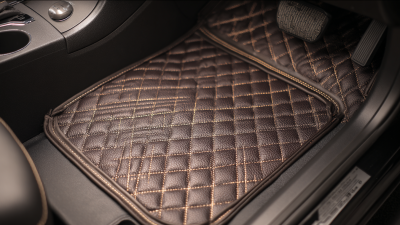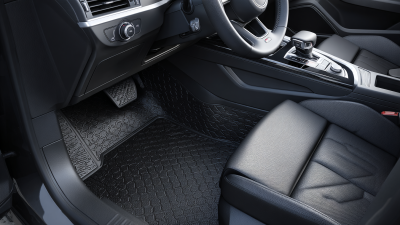
The automotive accessories scene has really been changing lately, and you know what? Decorative Car Floor Mats are becoming pretty popular around the globe. More and more car owners are looking to add a personal touch to their rides, and these mats seem to fit the bill. Sarah Johnson from AutoStyle Inc., a well-known expert in the field, puts it simply: "Decorative Car Floor Mats don’t just make your car look better—they also protect the floors in a practical way."
The variety out there is honestly mind-blowing. Whether you’re into sleek patterns or bold, vibrant colors, there’s definitely something for everyone. That said, it’s worth being a bit cautious. Not all mats are created equal—some might fade faster than you’d hope, or they might slip around when you’re driving. It’s a good idea to read reviews and do a little digging before making a decision.
Of course, how it looks is important, but don’t forget about how well they function. You want mats that resist stains and are super easy to clean—trust me, that’s a game-changer. With so many options out there, it’s all about finding the right balance between style and practicality. Picking the right set of mats that look good and stand up to daily use? That’s what makes a purchase truly satisfying.
Car floor mats play a crucial role in automotive interior design, often overlooked by buyers. They serve not only as protective layers but also as key components of a vehicle's aesthetic appeal. A recent industry report found that over 70% of car owners prioritize interior design when buying a vehicle, underscoring the value of well-designed mats.
These mats must blend functionality and style. They protect the car's floor from dirt, spills, and wear. According to a study, 65% of car damage is caused by neglecting interior upkeep, including floor areas. This statistic highlights the importance of choosing the right materials for durability and maintenance. Quality mats improve not only longevity but also overall driving experience.
However, choosing the best options can be challenging. With diverse materials available, from rubber to carpet, buyers often face confusion. Many don’t realize how colors and patterns can impact the mood inside a car. Some people end up making choices that clash with the car's design. Reflecting on personal taste and practicality is essential, yet many buyers overlook this. The right floor mats can elevate the driving experience significantly.
As the automotive interior decor market evolves, decorative car floor mats are gaining traction among global buyers. Recent industry reports reveal that the global automotive floor mats market is projected to reach USD 22 billion by 2026. Consumers are increasingly looking for mats that not only protect their vehicles but also reflect personal style. Enhanced aesthetics, combined with functional benefits, drive this trend.
Sustainability is another significant factor influencing buyer preferences. Eco-friendly materials are emerging in 2026, with a demand increase of about 15% over the previous year. Consumers appreciate mats made from recycled plastics and natural fibers. This shift highlights a growing awareness of environmental impact among buyers. Unfortunately, some brands still use non-biodegradable materials, raising concerns about long-term sustainability.
Customization options also resonate with buyers. Many seek floor mats that can be tailored to their specific tastes and vehicle types. With advancements in technology, 3D printing is becoming more common in production, allowing intricate designs. However, limited consumer awareness about available customization options remains a hurdle. Engaging marketing could help bridge this gap and inform buyers effectively.
When choosing car floor mats, durability and aesthetics are crucial. A recent industry report highlighted that over 65% of consumers prioritize material quality in their purchasing decisions. Fabrics not only protect a car’s interior but also enhance its overall look. Popular choices include rubber, nylon, and high-quality polyester blends.
Rubber mats are favored for their water-resistant properties. They can withstand spills and are easy to clean, making them ideal for families. Nylon, on the other hand, offers excellent durability and can come in various styles. Its stain-resistant nature helps retain a fresh appearance. Meanwhile, polyester blends provide smooth textures, adding a touch of elegance to any vehicle.
While aesthetics are important, some common materials can wear out quickly. Choosing a mat that balances style with long-lasting functionality can be challenging. Many lower-quality options may fade over time, losing their initial appeal. Consumers often overlook the maintenance requirements for different materials. Regular cleaning and care can prolong their lifespan and appearance, yet many drivers neglect this aspect.
Car floor mats play a significant role in vehicle aesthetics and functionality. With the growing concern over environmental impact, sustainable materials are gaining attention. Many consumers are now prioritizing eco-friendly options. These mats often use recycled or biodegradable materials. This shift reflects a larger trend towards sustainability in automotive accessories.
Choosing mats made from natural fibers, like jute or coconut coir, contributes to reducing plastic waste. These materials are not only durable but also add a unique touch to car interiors. Some manufacturers are innovating with rubber sourced from renewable resources. This choice helps limit the environmental footprint. Yet, the quest for sustainability can present challenges. It remains crucial to ensure that these materials do not compromise safety or usability.
Despite the promise of eco-friendly options, consumers should be mindful of their choices. Some sustainable mats might not perform as well in harsh conditions. Durability is often a concern, especially during extreme weather. Comparing different materials can be daunting, leading to confusion. It's essential to balance aesthetics, functionality, and environmental responsibility. By making informed choices, consumers can contribute positively to the planet without sacrificing quality.
In recent years, the demand for decorative car floor mats has surged. Consumers now prioritize aesthetics alongside functionality. Car mats not only protect vehicle interiors but also add personality. Trends indicate that buyers are increasingly looking for designs that reflect their style.
Supply chains have adapted to this growing popularity. Manufacturers are diversifying their offerings to meet consumer tastes. However, some companies face challenges in sourcing sustainable materials. This has led to debates about the environmental impact of car mat production. Consumers are becoming more discerning, choosing products that align with their values.
As we look ahead to 2026, the market will likely continue evolving. Emerging trends indicate a shift toward eco-friendly options. Yet, the challenge remains for manufacturers to balance cost and sustainability. Buyers demand quality, but price points are also a major factor. The future of car mats may hinge on innovation and responsiveness to customer feedback.
| Region | Market Size (USD Million) | Expected Growth Rate (%) | Key Trends |
|---|---|---|---|
| North America | 250 | 5.2 | Eco-Friendly Materials |
| Europe | 300 | 4.8 | Customization Options |
| Asia-Pacific | 400 | 6.5 | Innovative Designs |
| Latin America | 150 | 3.9 | Affordable Options |
| Middle East & Africa | 100 | 4.2 | Luxury Segment Growth |
When choosing decorative car floor mats in 2026, consumers prioritize various features. Durability remains key, as mats must withstand wear and tear. Many buyers seek materials that are easy to clean. This factor can significantly affect their overall experience. Comfort is also a consideration. Mats that provide cushioning can make rides more pleasant, especially on longer journeys.
Tips: Opt for mats with anti-slip backing. This feature improves safety by keeping mats securely in place. Check for waterproof materials too. Mats that resist spills are easier to maintain.
Design plays a crucial role in buying decisions as well. Some consumers prefer vibrant colors and patterns, while others lean toward minimalist styles. The aesthetic should match the vehicle's interior. Made-to-fit options are increasingly popular, as they offer better coverage and protection. However, cost considerations are often important. Buyers may find balancing quality and budget challenging.
As decorative car floor mats continue to evolve, various brands are introducing innovative designs and materials for 2026. Buyers are increasingly seeking floor mats that offer both aesthetics and functionality. Eco-friendly materials are gaining popularity. These mats protect the car's interior while contributing to a greener planet.
Textured patterns and vibrant colors are trending. They allow individuals to express their personality. Additionally, some mats feature advanced technology, such as stain resistance and easy cleaning processes. However, the challenge remains in choosing the right balance between style and durability. Some mats look great but may not last under heavy use.
Moreover, buyers should consider the fit for their vehicle models. Generic sizes may not offer the best protection. Custom-fit options may provide better coverage. It's essential to reflect on the long-term value versus initial appearance. What might seem appealing now may not withstand the test of time. Thus, researching product reviews can provide insights into the mats that truly deliver on promises.
In recent years, the automotive accessories market has witnessed a significant transformation, with an emerging trend focused on enhancing vehicle aesthetics. Girly car mats, characterized by their vibrant colors and playful designs, are becoming particularly popular among female consumers. This rise can be attributed to a growing demand for personalization within the automotive sector—customers are looking for ways to express their individuality and style through their vehicles. According to industry reports, the global automotive accessories market is projected to grow at a compound annual growth rate (CAGR) of 7.5% between 2023 and 2030, with aesthetic-oriented products like girly car mats leading the charge.
These mats, such as Model No. #8811, which features a durable carpet material with a PVC backing, are designed to suit a variety of vehicle categories, making them a universal choice for many consumers. Measuring 66x46 cm for the front and 32x46 cm for the rear, they provide sufficient coverage while adding a touch of personality to the vehicle's interior. The availability of unique colors and designs caters to diverse preferences, appealing to a demographic that appreciates not only functionality but also aesthetics. With a lightweight of 1.8 kg, these mats are easy to install and maintain, positioning them as an attractive option for consumers keen on embellishing their car’s look without sacrificing practicality.
Consumer trends indicate that buyers are increasingly prioritizing products that combine style with purpose. This shift is evident in the automotive accessories market, where accessories like girly car mats not only protect the vehicle's flooring but also serve as fashion statements. As the market evolves, businesses focusing on catering to this aesthetic preference can capitalize on the growing inclination toward customization, ensuring that their offerings resonate with the evolving tastes of modern consumers.
: Buyers seek mats that combine protection with personal style. Enhanced aesthetics are key in this trend.
Sustainability matters significantly. Eco-friendly materials are increasingly preferred, reflecting buyers' environmental awareness.
Popular choices include rubber for water resistance, nylon for durability, and polyester blends for elegance.
Many forget to consider regular cleaning needs, impacting lifespan and appearance of the mats.
Buyers can often tailor mats to their tastes, but many aren't aware of these options.
Yes, some common materials can wear out quickly and may lose their appeal over time.
The article titled "Best Decorative Car Floor Mats for Global Buyers 2026?" emphasizes the vital role that decorative car floor mats play in enhancing automotive interior design. It explores current trends and consumer preferences, highlighting how aesthetics and functionality influence buying decisions. The analysis of materials discusses the best fabrics for durability and aesthetic appeal in 2026, with a focus on sustainable options that minimize environmental impact.
Furthermore, the market overview provides insights into global demand and supply trends, showing how these factors shape the market for decorative car floor mats. As buyers become increasingly conscious of their choices, the article underlines the importance of selecting floor mats that not only elevate the style of the vehicle but also align with sustainable practices, ensuring a blend of luxury and responsibility in automotive interiors.