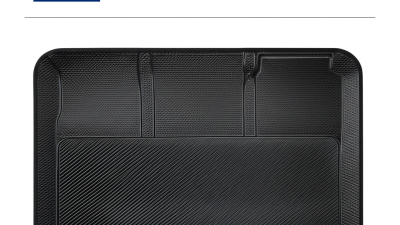
When you're thinking about making your home or office feel cozy, functional, and just right, choosing the right Floor Mat can really make a difference. A good mat not only adds a bit of style and personality to the space, but it also serves practical purposes—like keeping your floors safe and making things more comfortable under your feet. With so many options out there, though, it can be pretty overwhelming trying to figure out which one is actually right for you.
In this guide, I’ll walk you through some of the key things to think about when picking out the perfect Floor Mat for your space. From what it's made of and how tough it is, to the style and what you actually need it for—getting a grip on these details will help you make a smarter choice. Whether you're after a sturdy mat for busy office traffic or a soft, decorative piece for your living room, knowing what to look for can totally change how your space feels—making it more welcoming and functional at the same time. So, let’s dive into the world of Floor Mats and find out what options are actually worth considering to really improve your environment.

Understanding the Importance of Floor Mats in Home and Office Settings
In every home and office, floor mats play a vital role that often goes unnoticed. They serve not only as a protective barrier between the floor and the daily wear and tear brought about by foot traffic but also contribute significantly to the overall aesthetic and cleanliness of the environment. In residential settings, mats can help trap dirt, moisture, and allergens from shoes, ensuring that living spaces remain clean and welcoming. Similarly, in offices, using floor mats aids in maintaining a professional atmosphere, while also providing comfort to employees who spend long hours standing.
Additionally, the choice of floor mats can impact safety in both home and office environments. Mats can reduce slipping hazards, particularly in areas prone to water spills, such as entryways or break rooms. Anti-fatigue mats, often used in workspaces, offer support and cushioning for those who stand for extended periods, thus promoting better health and productivity. Therefore, understanding the specific needs of your space and selecting the appropriate mats becomes essential not only for style and cleanliness but also for functionality and safety in everyday activities.
Types of Floor Mats: A Comprehensive Overview for Choosing Wisely
When selecting the ideal floor mat for home and office environments, understanding the various types of mats available is crucial for making an informed decision. Floor mats can generally be categorized into several types: entrance mats, anti-fatigue mats, carpet mats, and outdoor mats, each serving unique purposes and contributing to overall comfort and safety. According to a report by Market Research Future, the global floor mats market is expected to grow at a CAGR of 6.5% from 2021 to 2027, highlighting the increasing awareness of cleanliness and comfort within spaces.
Entrance mats are designed to capture dirt and moisture, effectively reducing the potential for slips and falls in entryways. Anti-fatigue mats are specifically engineered for people who stand for prolonged periods, often found in kitchens or workstations, as they help alleviate discomfort in the legs and feet. A study conducted by the National Institute for Occupational Safety and Health (NIOSH) shows that using anti-fatigue mats can reduce fatigue by up to 50% for workers on their feet all day. Meanwhile, carpet mats add an element of decor and comfort, while outdoor mats are fortified against harsh weather, ensuring durability and effectiveness outdoors.
As homeowners and businesses alike continue prioritizing safety and comfort, it is essential to evaluate the specific needs of your environment. By assessing factors such as foot traffic, the primary purpose of the mat, and maintenance requirements, you can choose a floor mat that not only enhances aesthetics but also contributes significantly to physical well-being and operational efficiency. The data suggests that investing in the right type of floor mat could lead to considerable long-term benefits, both in terms of safety and employee satisfaction.
Key Factors to Consider When Selecting a Floor Mat
When selecting the best floor mat for your home or office, it's essential to consider several key factors that can enhance both functionality and aesthetics. First and foremost, think about the mat's purpose. Are you looking for a mat that provides comfort underfoot, enhances safety by reducing slips, or merely serves as a decorative accent? Identifying the primary function will help narrow down your choices significantly.
Material is another critical factor. Floor mats come in various materials, including rubber, carpet, and vinyl, each offering unique advantages. Rubber mats are excellent for high-traffic areas due to their durability and slip resistance. In contrast, carpet mats provide warmth and comfort but may require more maintenance. Additionally, consider the mat's thickness and weight; a heavier mat may stay in place better, while a thinner one might be easier to clean.
Tips: When choosing a floor mat, always test it in-store if possible, to ensure it feels comfortable and meets your needs. Also, ensure that the mat has features such as anti-fatigue properties for workspaces and is water-resistant for entryways to maintain cleanliness. Finally, take note of the mat's style and color to ensure it complements your existing decor.
Materials Used in Floor Mats: Pros and Cons
When choosing a floor mat for your home or office, understanding the materials used can significantly influence your decision. Common materials include rubber, carpet, vinyl, and microfiber, each offering distinct advantages and drawbacks. Rubber mats, for instance, are known for their durability and excellent grip, making them ideal for high-traffic areas. However, they may retain odors over time and can be heavy, complicating cleaning and repositioning.
On the other hand, carpet mats provide a soft and warm feel underfoot, enhancing comfort in both home and office settings. While they effectively absorb sound and add aesthetic appeal, they are more susceptible to stains and require regular maintenance to keep them clean. Vinyl mats are versatile and easy to clean, often available in various designs. Their main downside is that they can lack cushioning, leading to discomfort during prolonged standing. Lastly, microfiber offers exceptional dirt and moisture absorption, making it ideal for entryways, but may not be as durable as other materials in the long run. When selecting a floor mat, weighing these pros and cons based on your specific needs and environment will lead to a more informed choice.
2025 How to Choose the Best Floor Mat for Your Home and Office
Design and Aesthetics: How to Match Mats to Your Space
When selecting floor mats for your home and office, design and aesthetics play a crucial role in harmonizing these essentials with your overall decor. Consider the color palette and patterns of the space. For instance, if your office or home features a minimalist design with neutral tones, opting for a mat in solid colors or subtle textures can create a cohesive look. Conversely, if your area is more vibrant, colorful or patterned mats might serve as a statement piece, injecting personality into the room without overwhelming it.
Texture is another important factor to consider. A plush, shaggy mat can add warmth and comfort to a living room, making it feel inviting, while a sleek, low-profile mat can contribute to a modern, professional vibe in an office setting. Additionally, materials can influence both the look and functionality of a mat. Natural fibers like jute or wool exude an organic, earthy feel suitable for a cozy home, while synthetic materials can offer durability and easier maintenance in high-traffic office areas. By thoughtfully aligning mat selections with the existing decor and function of the space, you can effortlessly enhance both aesthetic appeal and comfort.
Maintenance and Care Tips for Longevity of Floor Mats
Proper maintenance and care of floor mats are essential for ensuring their longevity and functionality in both home and office environments. Regular cleaning is a fundamental step; vacuuming mats frequently removes dirt and debris, while occasional deep cleaning can eliminate stubborn stains and odors. Depending on the material, some mats may be machine washable, while others may require specialized cleaning methods. Always refer to the care instructions provided to avoid damaging the mat.
In addition to regular cleaning, placing mats in appropriate areas can extend their life. For example, entrance mats should be positioned to capture moisture and dirt before it reaches other flooring surfaces. Rotating mats periodically can prevent uneven wear and fading caused by sunlight exposure. Protecting mats from excessive moisture and using non-slip backing can also enhance their durability and safety. By paying attention to these maintenance tips, you can keep your floor mats looking great and performing well for years to come.
Budgeting for Floor Mats: Cost vs. Quality Considerations
When considering floor mats for your home or office, the balance between cost and quality is paramount. Budgeting is not merely about finding the lowest price; it involves understanding how the characteristics of different mats can influence both their performance and longevity. High-quality mats often come with a higher upfront cost, but their durability and effectiveness can lead to savings over time. For instance, mats designed for heavy foot traffic or specific environmental conditions, like moisture or dirt, may require a larger initial investment but can reduce replacement costs in the long run.
Additionally, the materials used in floor mats can greatly affect their performance and price. Natural fibers, like wool, may offer superior aesthetics and comfort, while synthetic options might provide better resistance to stains and wear. It's crucial to assess your specific needs—consider factors such as the level of foot traffic and the purpose of the mat—before deciding where to allocate your budget. In many cases, investing in a high-quality floor mat can enhance your space's functionality and appeal, making it a worthwhile expenditure for both residential and commercial environments.
FAQS
: Floor mats serve as a protective barrier against daily wear and tear from foot traffic, contribute to cleanliness by trapping dirt, moisture, and allergens, and enhance the aesthetic appeal of the environment.
Floor mats reduce slipping hazards in areas prone to spills and provide anti-fatigue support for individuals standing for long periods, thereby promoting health and safety.
Common materials include rubber, carpet, vinyl, and microfiber. Each has distinct benefits: rubber is durable with good grip, carpet is soft and sound-absorbing, vinyl is versatile and easy to clean, and microfiber excels in moisture absorption.
Rubber mats may retain odors over time and can be heavy, making cleaning and repositioning more complicated.
Carpet mats provide a soft and warm feel, enhance comfort, absorb sound, and add aesthetic appeal, making them a good choice for both home and office settings.
While vinyl mats are easy to clean and come in various designs, they can lack cushioning, which may lead to discomfort during prolonged standing.
Microfiber mats offer excellent dirt and moisture absorption, making them ideal for entryways, although they may not be as durable as other materials in the long run.
The right floor mats can provide comfort and reduce fatigue for employees who stand for long hours, potentially improving their productivity and overall well-being.
Considerations should include the specific needs of the space, potential safety hazards, the desired aesthetic, and the cleaning and maintenance requirements of the material.
Floor mats can enhance the visual appeal of both home and office environments by adding color, texture, and style, thus contributing to a welcoming atmosphere.
Conclusion
Choosing the right floor mat for your home or office is essential due to its significant role in comfort, safety, and aesthetics. Understanding the various types of floor mats available, from entry mats to anti-fatigue options, allows you to make informed choices based on your specific needs. Key factors to consider include the material, which can affect durability and maintenance; design elements that can enhance or complement your space; and budget considerations that balance cost with quality.
When selecting a floor mat, it's crucial to weigh the pros and cons of different materials to ensure longevity and practicality. Regular maintenance and care can further extend the life of your floor mat, making it a worthwhile investment. By taking these guidelines into account, you can find the best floor mat that meets your functional needs while enhancing the overall aesthetic of your space.