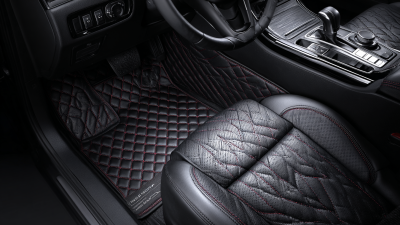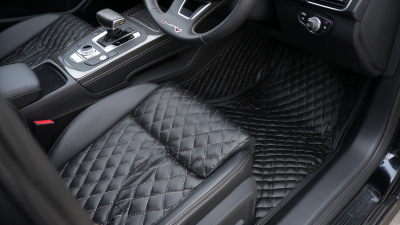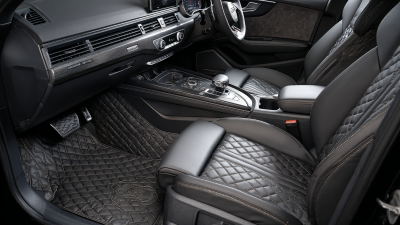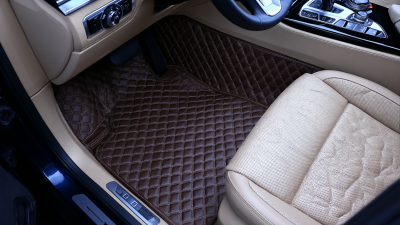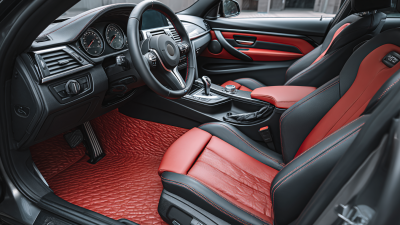
When it comes to keeping your car's interior safe from the elements, one of the smartest moves you can make is grabbing a good set of weather mats. They do a great job of blocking mud, rain, snow — you name it — plus, they can actually boost how your car looks and help hold onto its resale value down the line. I know, with so many options out there, picking the right ones can feel kinda overwhelming. Trust me, you're not alone in that!
In this guide, I’ll walk you through the key things to think about when choosing weather mats that actually match what you need. We’ll talk about different materials, designs, and even those little features that can make a big difference. Whether you love hitting the outdoors, are juggling family life, or just want to keep your car looking fresh without too much hassle — understanding what's available will help you pick the perfect set for your lifestyle. So, let’s get into what makes weather mats a must-have for any car owner!
Weather mats, also known as floor liners or all-weather mats, play a crucial role in maintaining the interior of your car. They are specifically designed to protect the flooring from various elements such as rain, snow, mud, and dirt. Understanding their importance goes beyond mere aesthetics; these mats serve to safeguard the car's carpet against stains, wear, and tear, ultimately preserving the vehicle's resale value. By trapping moisture and debris, weather mats ensure that the interior remains clean and dry, enhancing the overall driving experience.
Selecting the right weather mats can significantly impact the longevity of your vehicle's interior. High-quality mats typically feature deep grooves and raised edges that effectively contain spills and prevent liquid from seeping under the mat. They are crafted from durable materials that resist wear and withstand extreme temperatures, making them an essential accessory for any driver, particularly in regions with harsh weather conditions. Investing in weather mats not only protects your car but also promotes a healthier environment by reducing allergens and dust accumulation within the vehicle.
When selecting the best weather mats for your car, it’s essential to evaluate the different materials available: rubber, carpet, and all-weather options. Rubber mats are known for their durability and water resistance, making them an ideal choice for those living in areas with heavy rain or snow. They effectively trap dirt and moisture, preventing them from damaging your vehicle’s flooring. Additionally, rubber mats are easy to clean; a simple rinse with water is often enough to maintain their appearance.
Carpet mats, on the other hand, offer a softer and more luxurious feel underfoot. They provide excellent sound insulation and can enhance the overall aesthetics of your car’s interior. However, they may not be as effective in extreme weather conditions, as they can absorb moisture and dirt. It’s crucial to consider how often you drive in muddy or wet conditions before opting for carpet mats.
All-weather mats represent a versatile option that combines features of both rubber and carpet mats. They are designed to withstand the elements while providing a textured surface that is slip-resistant. Suitable for various weather conditions, all-weather mats often come with raised edges to contain spills, making them practical for everyday use. Ultimately, the best choice depends on your lifestyle, climate, and personal preferences, so weigh the pros and cons of each material carefully.
| Type of Weather Mat | Material | Pros | Cons | Best Use Case |
|---|---|---|---|---|
| Rubber Mats | Natural or Synthetic Rubber | Durable, waterproof, easy to clean | Can get slippery, may have a smell | All weather conditions, heavy usage |
| Carpet Mats | Nylon or Polyester Fibers | Soft, aesthetic appeal, comfortable | Not waterproof, harder to clean | Indoor use, improving cabin aesthetics |
| All-Weather Mats | Composite Materials or Thermoplastic | Versatile, practical, resistant to stains and liquids | Can be less stylish, more rigid | Best for mixed and extreme weather |
When selecting weather mats for your vehicle, it's essential to consider several key features that ensure both functionality and durability. Firstly, material composition plays a crucial role. Look for mats made from high-quality rubber or all-weather thermoplastics that are designed to withstand extreme temperatures and resist wear and tear from dirt, mud, and spills.
Mats that are non-slip and have raised edges are also preferable, as they help trap moisture and debris, preventing them from spreading throughout your vehicle's interior.
Another important feature to assess is the fit of the weather mats. Universal fit mats can work for many vehicles, but custom-fit options provide the best coverage and protection. Ensure that the mats are specifically designed for your car's make and model to prevent them from shifting or bunching up, which could obstruct the pedals and compromise safety.
Additionally, consider ease of cleaning; mats that can be easily removed and are machine washable will save you time and effort in maintaining a clean car environment. Overall, focusing on these features will help you choose the best weather mats that offer optimal protection for your vehicle.
When selecting weather mats for your vehicle, one of the pivotal decisions revolves around the choice between
custom fit and
universal fit mats.
Custom fit mats are designed to snugly align with the specific contours of your car's flooring, offering optimum coverage and protection. This tailor-made approach ensures that even the most hard-to-reach areas are adequately shielded from dirt, moisture, and wear. Additionally, these mats often feature raised edges and unique designs that can help trap liquids, making clean-up easier and protecting the integrity of your vehicle's interior.
On the other hand, universal fit mats provide flexibility and versatility, as they can be used across multiple vehicle models. These mats typically come in various sizes and shapes, allowing users to trim them to achieve a more personalized fit.
While universal mats may not offer the same level of protection as their custom counterparts, they can be an excellent option for those seeking a cost-effective solution or who frequently change cars.
Ultimately, the choice between custom fit and universal fit mats depends on individual needs, usage patterns, and budget considerations, ensuring that every driver can find a suitable solution for their vehicle protection needs.
When it comes to selecting weather mats for your car, understanding the available options is crucial. Among the most popular choices are rubber mats, carpet mats, and all-weather mats. Rubber mats often excel in providing durability and easy maintenance. They are designed to handle spills, mud, and debris, making them ideal for drivers who frequently encounter tough weather conditions. However, one downside is that they may lack the elegance desired in a more upscale vehicle interior.
On the other hand, carpet mats can enhance the aesthetic appeal of your car while offering a softer foot feel. They are often more customizable and come in various colors and styles. However, they may not be as resilient to stains and harsh weather compared to rubber alternatives. All-weather mats bridge the gap between the two, usually crafted from a semi-flexible material that provides good protection and easy cleaning. While they maintain a stylish look, they might not offer the same level of durability as pure rubber mats. Evaluating the specific weather conditions you frequently encounter, alongside personal preferences for aesthetics and functionality, can help make the best decision for your needs.
Maintaining your weather mats is essential to ensure they last long and continue to provide effective protection for your car's interior. Regular cleaning is one of the most straightforward ways to extend the life of these mats. Depending on the material, use a vacuum cleaner to remove loose dirt, or better yet, take them out and shake them vigorously. For deeper cleaning, use a mild detergent mixed with water and a soft brush to scrub away stubborn stains and grime. Rinsing them thoroughly with water and allowing them to air dry will prevent mold and unpleasant odors from developing.
Another crucial tip for prolonging the life of your weather mats is to routinely check for signs of wear and tear. Frequent exposure to elements like rain, snow, and sun can cause mats to crack or fade. If you notice any damage, addressing it promptly can prevent further deterioration. Additionally, avoiding placing heavy objects directly on the mats can help maintain their shape and cushion, ensuring they perform their intended function effectively. By following these maintenance tips, you can keep your weather mats in excellent condition, providing reliable protection and enhancing the overall aesthetic of your vehicle's interior.
When selecting weather mats for cars, understanding the price range is crucial to making an informed decision. Typically, weather mats can be found at prices ranging from budget-friendly options around $20 to premium choices that can exceed $200. The price often correlates with materials, durability, and functionality. For instance, mats made from high-quality rubber or thermoplastic typically cost more but provide superior weather resistance and longevity.
Investing more in weather mats can be worthwhile if you live in an area with extreme weather conditions. Higher-priced mats often feature advanced designs that offer better coverage, stay in place securely, and are easier to clean. On the other hand, if you require mats for occasional use or live in a milder climate, more affordable options may suffice. Therefore, it is essential to assess your specific needs, climate conditions, and usage frequency to determine the appropriate price point for your weather mats.
: Weather mats, also known as floor liners or all-weather mats, are designed to protect the flooring of a car from elements like rain, snow, mud, and dirt. They help safeguard the car's carpet against stains and wear, preserving the vehicle's resale value and maintaining a clean and dry interior.
By trapping moisture and debris, weather mats keep the interior of the vehicle clean and dry. This not only makes the driving environment more pleasant but also helps reduce allergens and dust accumulation inside the car.
High-quality weather mats typically have deep grooves and raised edges to contain spills and prevent liquids from seeping underneath. They are made from durable materials that resist wear and can withstand extreme temperatures.
Custom fit mats are designed to align with the specific contours of your vehicle's flooring, providing optimum coverage and protection. Universal fit mats are more flexible, can be used in multiple vehicles, and can be trimmed for a personalized fit, although they may not offer the same level of protection as custom mats.
Universal fit mats can be an excellent solution for those who seek a cost-effective option or frequently change cars. While they offer flexibility and versatility, the decision should consider individual needs and usage patterns.
By reducing the accumulation of allergens and dust within the vehicle, weather mats promote a healthier environment for passengers, making them an important accessory for maintaining cleanliness in the car's interior.
Choosing the right weather mats for cars is essential for protecting your vehicle’s interior from dirt, moisture, and wear. This comprehensive guide explores the different types of weather mats, including rubber, carpet, and all-weather options. It highlights the importance of selecting mats that feature durability, easy cleaning, and appropriate fit, while also discussing the differences between custom fit and universal fit mats.
Additionally, the guide provides maintenance tips to extend the lifespan of your weather mats for cars and offers insights into price ranges, helping you make an informed decision based on your budget. By understanding these factors, car owners can select the best weather mats that meet their needs and enhance the longevity of their vehicle’s interior.