
Picking out the right All Weather Mats can honestly feel a bit overwhelming, right? With so many options out there, it’s easy to get lost in the choices. I mean, experts like John Smith from WeatherTech Industries always say that a good mat should really hit that sweet spot between being practical and durable — and I totally agree.
These mats need to handle whatever Mother Nature throws at us. Rain, snow, mud — you name it. A decent quality mat will trap dirt and moisture pretty well, helping you keep your car cleaner. But here’s the thing — not every mat performs the same. Some might do the job better than others.
Think about what YOU actually need. Are you living somewhere super snowy or just rainy most of the time? That can totally change what kind of mat is best for you. Some mats are way too thin, or they might not grip the floor well enough. Whenever you’re buying, it pays to really consider your environment and personal needs. Take your time, do a bit of research, and pick what feels right for you — no rush!

Understanding All Weather Mats: Purpose and Benefits

All weather mats serve an essential purpose. They protect your vehicle’s interior from dirt, mud, and spills. These mats are designed to withstand various conditions, whether rain or snow. They create a barrier that traps moisture and debris. In addition, they are easy to clean. A quick shake or rinse often does the trick.
Choosing the right all weather mat can be tricky. Consider the material; rubber and vinyl are popular for their durability. Look for mats with deep grooves or patterns to capture more dirt. However, not all mats fit perfectly. Some might slide around, which can be distracting. It’s worth testing how they sit in your vehicle.
Think about the aesthetics too. While functionality is vital, appearance shouldn’t be ignored. A mat that clashes with your car’s interior may ruin the look. Yet, many options provide practicality without sacrificing style. Ultimately, it’s about finding a balance that meets your needs, while keeping in mind that no mat is perfect.

Enhancing Vehicle Interior Protection: Insights from the All-Weather Car Mats Market and the NEW Rubber Car Mats with Red Heel Pad
In recent years, the all-weather car mats market has seen significant growth, driven by an increasing awareness of vehicle interior protection among consumers. According to industry reports, the demand for durable and easy-to-clean mat solutions has surged, particularly as car owners seek to maintain the aesthetic appeal and longevity of their interiors. This surge is attributed to rising weather variations and the need for versatile vehicle accessories that can handle a variety of conditions, from muddy boots in winter to spilled drinks in summer.
The newly introduced rubber car mats, particularly those featuring innovative designs like the red heel pad, exemplify the shift toward functionality and style in automotive accessories. These mats, made from high-quality PVC and designed with dimensions that fit universal vehicle categories, provide robust protection against dirt and moisture. Their size—68x48cm for the front and 34x44.5cm for the rear—ensures comprehensive coverage while remaining practical for everyday use. Weighing only 4.0 kg, they are easy to install and remove, catering to the modern driver’s need for convenience.
Moreover, color options such as black, grey, and tan allow car owners to select mats that best match their vehicle interiors, further enhancing aesthetic appeal. As the automotive accessory market evolves, products like these rubber car mats represent a blend of practicality, protection, and style—an essential purchase for any vehicle owner serious about interior preservation.

FAQS
: Durability and material are key. Rubber or vinyl is best for extreme conditions.
Rubber mats excel in wet and snowy conditions. Their textured surfaces provide excellent grip.
Carpeted mats absorb moisture and trap dirt, offering a refined appearance.
No. Some need more frequent washing. Others are easier to clean.
Certain designs, like those with raised edges, catch water. But they may not handle heavy rain well.
Clean mats regularly. Use mild soap and water, as harsh chemicals can damage them.
Always dry mats completely after cleaning to avoid mold growth.
Look for fraying or noticeable damage. Regular inspection is essential.
Proper storage prevents warping or cracking. Store in a cool, dry place.
Yes, a mat that is too big or small won’t function properly in your space.
Conclusion
All Weather Mats are essential for protecting your floors from dirt, moisture, and wear, making them a valuable addition to any home or vehicle. Understanding their purpose and benefits, as well as the various types available, helps consumers make informed choices. Different materials used in All Weather Mats come with their own pros and cons, affecting durability and ease of maintenance.
When selecting the best All Weather Mats, several factors should be considered, such as size, shape, and material suitability for your specific needs. Proper care and maintenance are crucial for ensuring longevity, and staying within a budget while finding quality options is also important. Ultimately, by evaluating key features and following expert recommendations, you can choose the right All Weather Mats to fit your lifestyle and keep your spaces clean and dry.
Related Posts
-
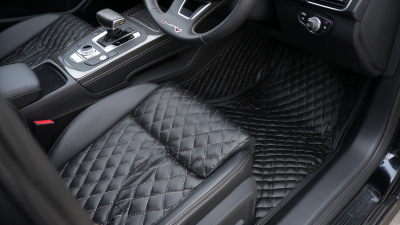
Exploring Innovative Alternatives for Car Floor Mat Protectors to Enhance Vehicle Interiors
-
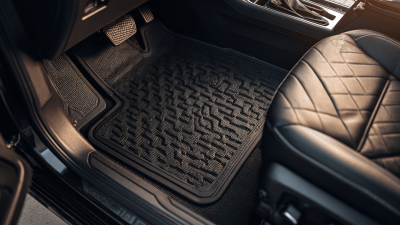
Ultimate Checklist for Choosing the Perfect Tech Floor Mats for Your Space
-
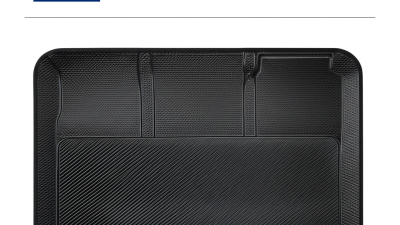
7 Essential Benefits of Full Coverage Floor Mats for Your Vehicle
-

How to Choose All Season Floor Mats for Maximum Vehicle Protection: Expert Insights and Key Industry Statistics
-

Top 10 Custom Fit Car Floor Mats for Ultimate Protection and Style
-

Top 10 Vehicle Floor Mats You Need for Ultimate Protection and Style
