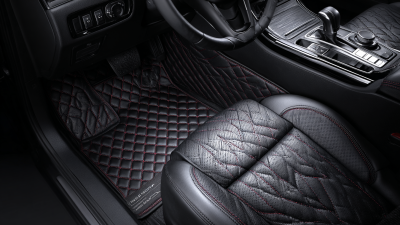
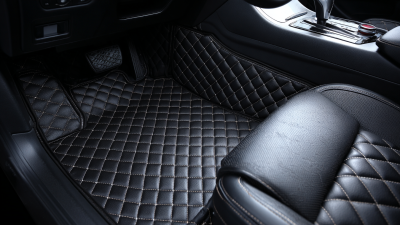
When it comes to keeping your vehicle in top shape, there's one little thing that often gets overlooked but is actually pretty important—weather mats for cars. These mats are basically your first line of defense against dirt, mud, water, and all those pesky elements that can mess up your interior. Whether you're dealing with freezing winters or rainy days, having the right weather mats can really make a difference—both in protecting your car and keeping it looking good.
Picking out the best weather mats for your ride isn’t just a matter of grabbing the first pair you see. You’ve gotta think about stuff like the durability of the material, how well they fit your vehicle, and whether they're easy to clean. When you understand these things, it’s easier to pick mats that will protect your car and last longer too.
In this guide, I’ll share some handy tips and insights to help you navigate the options out there. My goal is to help you make a smart choice that fits your driving style and lifestyle—so your car stays nice, no matter what the weather throws at it.

Understanding the Importance of Weather Mats for Vehicle Protection
When it comes to protecting your vehicle, the significance of weather mats cannot be overstated. The automotive industry reports that dirt, moisture, and debris can lead to expensive interior damage, reducing the vehicle's resale value by up to 15%. Weather mats serve as a crucial barrier against these elements, especially in regions that experience harsh weather conditions. They are designed to trap water, snow, and mud, preventing them from seeping into car carpets and seats, which can lead to mold and mildew development over time.
When selecting the best weather mats for your car, it’s essential to consider several key factors. First, opt for mats with deep grooves and raised edges that can effectively contain spills and dirt. According to a study by the Specialty Equipment Market Association, mats with such designs can hold up to 20% more liquid compared to standard mats. Additionally, ensure the mats are made from durable materials like rubber or thermoplastic, which are known for their resilience and ease of cleaning.
Here are some tips for choosing the right weather mats: Firstly, always check for mats that are custom-fit for your vehicle model to ensure maximum coverage and protection. This can prevent dirt from sliding under the mats, which minimizes your cleaning efforts. Secondly, look for mats with non-slip backing; this feature prevents shifting during use, ensuring safety and effectiveness. Lastly, consider investing in mats that are easy to remove and wash – some materials are even dishwasher-safe, making maintenance hassle-free.
Types of Weather Mats: Rubber, Carpet, and All-Weather Options
When selecting the best weather mats for your vehicle, it's crucial to understand the different types available: rubber, carpet, and all-weather options. Rubber mats are known for their durability and water resistance. According to industry reports, rubber mats can prevent moisture and debris from damaging your vehicle's floor, making them especially effective in rainy or snowy conditions. Their non-slip surface also ensures safety during entry and exit from the vehicle, an essential feature for everyday drivers.
Carpet mats, while less resistant to water, provide a level of aesthetic appeal and comfort that many users appreciate. These mats can be custom-fitted and often come in various colors and styles, allowing for personalization of the vehicle’s interior. However, it's important to note that they may require more frequent cleaning and maintenance, particularly in wet or muddy environments. According to the Automotive Industry Association, over 60% of car owners prioritize not only functionality but also the look and feel of their vehicle interiors when purchasing accessories such as floor mats.
All-weather mats serve as a hybrid option, combining elements of both rubber and carpet mats. They are designed to withstand various weather conditions, from heavy rain to scorching heat. Reports indicate that all-weather mats provide an excellent balance of protection and aesthetics, making them an increasingly popular choice among vehicle owners. These mats often feature deep channels that trap dirt and moisture, ensuring that the interior of your vehicle remains clean and protected throughout the year.
Key Features to Look for in High-Quality Weather Mats
When selecting weather mats for your vehicle, it’s crucial to focus on key features that ensure both functionality and durability. High-quality weather mats are designed to withstand various elements, such as mud, water, and snow, which can compromise your car's interior. According to a report by the Automotive Floor Mat Association, over 70% of vehicle owners cited the importance of material quality and design in protecting against spills and dirt. Look for mats crafted from heavy-duty rubber or thermoplastic, which are not only resistant to wear and tear but also easy to clean, making them ideal for year-round use.
Additionally, the fit of the weather mats is paramount. Universal mats may seem convenient but often fall short in providing the complete coverage needed to ensure your car's interior remains intact. Custom-fit mats are generally more effective, as they are shaped to align with the contours of your vehicle, preventing dirt and moisture from leaking through. A 2020 consumer study indicated that vehicles with custom-fit mats showed a significant reduction in cleanup time compared to those with standard options. Opt for mats with raised edges or deep grooves to trap liquids and debris effectively, safeguarding your vehicle's flooring and enhancing its resale value.
How to Measure Your Vehicle for a Perfect Fit
When selecting weather mats for your vehicle, achieving the right fit is crucial for optimal protection. To start, gather a measuring tape or ruler and measure the interior dimensions of your vehicle's floor. Pay attention to key areas like the front driver and passenger footwells, as well as the rear seats. Be sure to measure the length, width, and any contours such as elevated sections or round edges that might affect how the mat sits in place.
Additionally, consider any unique features of your vehicle's interior when measuring. For instance, if your vehicle has a center console that extends towards the front, this will impact the type of mats you need. Measure from the back of the console to the front edge of the footwell to ensure the mat covers this area adequately. Taking the time to measure carefully will help you find weather mats that not only fit snugly but also enhance the overall look and functionality of your vehicle, keeping it clean and protected from the elements.
Tips for Properly Installing Weather Mats in Your Car
When it comes to installing weather mats in your car, preparation is key to ensuring a perfect fit and functionality. Begin by thoroughly cleaning your car’s flooring to remove any debris or residue that may interfere with the mats’ adhesion. A vacuum cleaner can help eliminate dirt from hard-to-reach spots, while a damp cloth can wipe down surfaces for a clean installation. By starting with a clean slate, you’ll help the mats adhere better and prevent any moisture from being trapped underneath.
Next, carefully measure and trim your weather mats if necessary. Most mats come with customizable features, allowing you to cut them to fit the contours of your vehicle’s floor. Use a sharp utility knife to make precise cuts, ensuring you follow the template lines provided. After trimming, lay the mats in the vehicle, starting from the front and working your way back. Ensure that they lie flat without any curling at the edges, which could pose a safety hazard. Following these steps will lead to a proper installation, enhancing both the aesthetic appeal and the protective qualities of your weather mats.
Maintaining and Cleaning Your Weather Mats for Longevity
Proper maintenance and cleaning of weather mats is crucial to ensure their longevity and continued effectiveness in protecting your vehicle's interior. Regular maintenance not only extends the lifespan of your mats but also enhances their performance in muddy, snowy, or rainy conditions. Industry reports indicate that well-maintained mats can last up to 50% longer than those that are neglected, preventing dirt and moisture from damaging your vehicle’s flooring.
To keep your weather mats in top condition, it's important to establish a routine cleaning schedule. Aim to remove mats and shake them out at least once a week, especially during inclement weather. For deeper cleaning, use a mixture of mild soap and water, scrubbing gently with a soft brush to avoid any wear. Rinsing with clean water and letting the mats dry completely before placing them back in the vehicle is essential to prevent mold and mildew growth.
Tips: When cleaning your mats, always check for any signs of wear or damage. If you notice cracks or tears, it may be time to replace them to ensure your car remains well-protected. Additionally, using a protective spray designed for mats can help repel water and dirt, keeping your vehicle’s floor clean and fresh. Regular maintenance not only wards off stains but also maintains the aesthetic appeal of your car's interior.
Essential Tips for Choosing Weather Mats for Cars
This chart represents the key factors to consider when choosing weather mats for your vehicle along with their importance levels on a scale from 1 to 10. Durability and water resistance are the top priorities, while ease of cleaning and cost are also significant considerations.
Budget-Friendly Options vs. Premium Weather Mats: Which to Choose?
When choosing the best weather mats for your car, it's important to weigh the options between budget-friendly and premium mats. Budget options can provide decent protection against dirt and moisture, making them a suitable choice for those who use their vehicles casually. These mats typically feature simple designs and materials that may not offer the same level of durability as their premium counterparts. However, they can effectively keep your car's floors clean and are often easy to replace when worn out.
On the other hand, premium weather mats are designed for those who prioritize long-term investment in vehicle maintenance. These mats are usually made from high-quality materials that resist wear and tear, ensuring that they last longer and provide better protection against spills, mud, and harsh weather conditions. Investing in premium mats often means better fit and easier maintenance, as they are usually designed to capture and contain debris and moisture more efficiently.
When making your decision, consider the following tips: first, assess how often you encounter harsh weather conditions or messy environments. If your vehicle is frequently exposed to such elements, a premium mat may be worth the extra expense. Second, think about the ease of cleaning and maintenance; some mats are designed to be easily removed and cleaned, saving you time and effort in the long run. Lastly, check for warranty or return policies, which can offer peace of mind regardless of the price point you choose.
Essential Tips for Choosing the Best Weather Mats for Cars to Protect Your Vehicle
| Feature |
Budget-Friendly Options |
Premium Weather Mats |
| Material Quality |
Made from basic rubber or carpet |
High-grade rubber with advanced technology |
| Durability |
Moderate lifespan, may wear quicker |
Long-lasting, designed for extreme conditions |
| Weather Resistance |
Basic protection from dirt and moisture |
Superior protection from snow, rain, and mud |
| Custom Fit |
Universal fit, may not cover curves |
Precision fit tailored to vehicle model |
| Price Range |
$30 - $70 |
$80 - $200 |
| Cleaning & Maintenance |
Easily cleaned with a vacuum |
Simple to rinse off; stain-resistant |
Transform Your Vehicle: Ultimate Protection with Universal Fit Heavy Duty Rubber Automotive Floor Mats
Transforming your vehicle’s interior not only enhances its aesthetics but also provides essential protection against wear and tear. The Universal Fit Heavy Duty Rubber Automotive Floor Mats are designed specifically to cater to a wide variety of vehicle types, making them an excellent choice for car owners looking for durable and practical solutions. With dimensions that accommodate both front (65 x 51CM) and rear (32 x 46CM) spaces, these mats fit seamlessly into most vehicles, ensuring comprehensive coverage against dirt and spills.
According to industry reports, rubber floor mats account for a significant portion of the automotive accessories market, primarily due to their longevity and ease of maintenance. The robust PVC material used in these mats offers superior resistance to water, mud, and other debris, which is crucial for maintaining a clean vehicle interior. Statistics indicate that vehicles equipped with high-quality floor mats can maintain higher resale values, as they protect the underlying surfaces from damage and staining over time. Additionally, the availability of colors like black, grey, and tan allows for customization to suit any vehicle aesthetic, further enhancing the appeal of these mats.
Furthermore, the product is lightweight at only 3.7KG, making installation hassle-free. Retail industry data shows that vehicle owners increasingly prioritize products that combine functionality with style, a trend that is reflected in the demand for versatile automotive accessories such as these floor mats. Investing in durable mats not only makes for a better driving experience but also reinforces the overall investment in your vehicle’s upkeep.
FAQS
: Focus on key features such as material quality, durability, and custom fit. Look for heavy-duty rubber or thermoplastic materials that resist wear and are easy to clean. Custom-fit mats typically provide better coverage and protection against spills and dirt compared to universal mats.
Proper fit is crucial as it ensures complete coverage of your vehicle's interior, preventing dirt and moisture from leaking through. Custom-fit mats are designed to align with the contours of your vehicle, leading to more effective protection.
Use a measuring tape or ruler to measure the length and width of the front driver and passenger footwells, as well as the rear seats. Pay attention to any contours or unique features that may affect the fit, such as an extending center console.
Thoroughly clean your car's flooring to remove debris and residue. Use a vacuum to get into tight spots and a damp cloth to wipe down surfaces to ensure good adhesion of the mats.
Yes, most weather mats come with customizable features, allowing you to trim them for a better fit. Use a sharp utility knife to make precise cuts, following the template lines, if applicable.
After cleaning and trimming, lay the mats starting from the front of the vehicle and work towards the back. Make sure they lie flat without curling edges, which could create safety hazards.
Look for mats with raised edges or deep grooves, which help trap liquids and debris effectively, enhancing protection for your vehicle’s flooring and helping with resale value.
High-quality weather mats protect your vehicle’s interior from dirt, mud, and moisture, which can reduce cleanup time and maintain overall cleanliness, thereby preserving the vehicle’s value over time.
Conclusion
When choosing Weather Mats for Cars, it's essential to appreciate their role in protecting your vehicle from dirt, moisture, and wear. Understanding the various types available, such as rubber, carpet, and all-weather options, can guide you toward the best choice based on your needs. Look for key features like durability, resistance to spills, and custom fit to ensure long-lasting performance.
Measuring your vehicle properly is crucial for achieving the perfect fit, while proper installation will enhance the effectiveness of your mats. Regular maintenance and cleaning will extend the life of your Weather Mats for Cars, making them a valuable investment. Lastly, consider your budget—whether opting for budget-friendly options or investing in premium mats, prioritizing quality is key to safeguarding your vehicle.