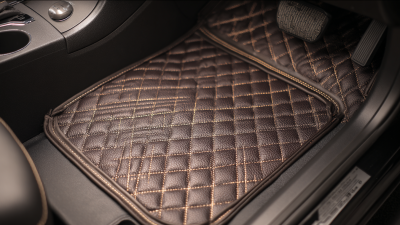
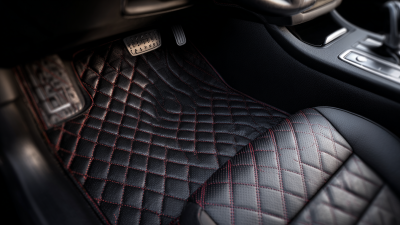
As we get closer to the 2026 Canton Fair, everyone's got their eyes on decorative car floor mats. I was chatting with Sarah Johnson from AutoDecor Co., an industry expert, and she once said, 'A well-chosen floor mat can really add some personality to any ride.' That really stuck with me. It’s so true—people are looking to boost both the look and the usability of their cars.
This year's Canton Fair is shaping up to showcase a pretty wide variety of decorative mats. The exhibitors are really stepping up their game, showing off fresh designs and new materials. There’s everything from eco-friendly options to bold, vibrant patterns—something for pretty much every style out there. But, amidst all the eye-catching displays, I gotta ask—are we maybe getting a bit carried away with style over practicality?
Honestly, picking the right car floor mats isn’t just about how cool they look. Things like durability and how easy they are to clean really matter, too. It’s easy to get dazzled by all the flashy options, but don’t forget to check the quality. The fair isn’t just about the latest trends; it’s also a good chance to think about what really matters—like sustainability and how functional a product is. Paying attention to those details can help you make smarter choices in the end.

Top Trends in Car Floor Mats: Innovations at Canton Fair 2026
As the Canton Fair 2026 approaches, the focus on car floor mats is intensifying. Innovations in design and material are all the rage. Eco-friendly options are making a significant impact. Many consumers are leaning towards sustainable materials. These mats not only look appealing but also reduce environmental harm.
Unique textures and colors are making these accessories stand out. Bright patterns and innovative designs can transform a dull interior. Consumers want something that reflects their personality. It’s important to note that excessive patterns might overwhelm the space. Striking a balance can be challenging, but it often yields the best results.
Tips for selecting the right mat: Always consider the fit and style. A well-fitted mat is essential to prevent sliding. Think about cleaning ease, too. Mats that trap dirt are not favorable. Look for those that allow quick shake or rinse off. Comfort is crucial, especially for long drives. A cozy feel underfoot can enhance the driving experience.
Material Analysis: Eco-friendly Options for Decorative Car Mats
When exploring decorative car floor mats at the Canton Fair 2026, consider eco-friendly materials. Many mats are made from recycled rubber or natural fibers. These materials are sustainable and help reduce environmental impact. They offer durability and easy maintenance. Some mats even use water-resistant coatings, ensuring longevity.
TIPS: Look for mats that are both stylish and functional. Eco-friendly options often come in various designs. Check for certifications that guarantee the materials used are safe and sustainable.
Natural rubber mats are a popular choice. They provide excellent grip and prevent slippage. However, they may have a rubber smell initially. This is a common issue that often fades over time. Textile mats made from organic materials can be soft and luxurious. Yet, they may require more frequent cleaning, especially in muddy conditions.
Incorporating vintage styles can also add charm. Some mats mimic classic designs but use modern eco-friendly materials. Balancing aesthetics with practicality can be tricky. Aim for a look that complements your car’s interior while being mindful of the environment.
Market Demand: Consumer Preferences for Car Floor Mats in 2026
As we approach 2026, the demand for decorative car floor mats is changing. According to recent market research, the global automotive floor mat market is projected to reach $18 billion by 2026, driven by consumer desire for personalization. Environmental consciousness is rising. Consumers prefer mats made from recycled materials or natural fibers. This trend reflects a broader shift towards sustainable automotive products.
Color and design are crucial in consumer choices. A survey noted that 70% of buyers seek unique designs that complement their vehicle's interior. However, quality remains a concern. While aesthetic appeal is important, durability is paramount. A significant portion of consumers reports dissatisfaction with the lifespan of currently available mats. This feedback highlights a gap in the market for durable yet stylish options.
Functionality cannot be overlooked. Anti-slip features and easy cleaning are essential. Many consumers express frustration with mats that fail to hold up against spills and dirt. Companies must address these practical considerations alongside design improvements. It’s a delicate balance between style and substance, and 2026 will test how well the industry adapts to consumer preferences.
Manufacturing Insights: Technology Behind High-Quality Car Mats
When exploring high-quality decorative car floor mats, understanding the manufacturing insights is crucial. The technology behind these mats plays a significant role in their appeal and functionality. Advanced manufacturing techniques, such as precision cutting and digital printing, enhance the aesthetic and practical aspects of these accessories. Reports indicate that the global automotive floor mat market is expected to grow by 5.6% annually, demonstrating an increasing demand for quality products.
Materials used in production can impact durability and comfort. For instance, rubber and synthetic fibers are often utilized for their longevity and ease of cleaning. A study by the Automotive Parts Manufacturers Association highlights that innovations in material science are leading to mats that resist wear and tear more effectively. However, manufacturers face challenges in balancing cost and quality. Some lower-quality products may still infiltrate the industry, leading to customer dissatisfaction.
Temperature resistance and environmental impact are other factors to consider. Many consumers demand eco-friendly options, pushing manufacturers to explore sustainable materials. Yet, achieving this balance can be tricky. The industry's shift towards sustainability is essential but can complicate pricing strategies. As the Canton Fair approaches, it will be interesting to see how these trends shape the future of decorative car mats.
Design Aesthetics: Popular Patterns and Colors for Car Floor Mats
Car floor mats serve both functional and aesthetic purposes. These mats protect the vehicle's interior while also enhancing its visual appeal. According to a recent market research report, the global automotive floor mat market is expected to grow by 4.5% annually, reflecting increasing consumer interest in custom designs.
Patterns and colors play a crucial role in this evolution. Popular choices include geometric shapes, floral designs, and bold colors. A survey indicated that 65% of car owners prefer mats that match their interior color schemes. These preferences highlight a shift towards personalization in automotive decor. However, some designs may not suit every consumer's taste. Striking a balance between aesthetic appeal and usability is complex.
Durability is another factor to consider. Many decorative mats use materials like rubber or nylon, which can wear over time. The trend of environmentally-friendly materials is rising. Yet, not all sustainable options are equally effective. Consumers need to assess how patterns might affect the longevity of their mats. There is room for improvement in this aspect, encouraging innovation in design and material quality.
Top 5 Decorative Car Floor Mats to Explore at Canton Fair 2026
| Pattern |
Color Scheme |
Material |
Size (L x W in inches) |
Price (USD) |
| Geometric |
Black & White |
Rubber |
28 x 18 |
35.00 |
| Floral |
Pastel Colors |
Polyester |
30 x 22 |
40.00 |
| Animal Print |
Brown & Beige |
Vinyl |
32 x 24 |
45.00 |
| Abstract |
Bold Colors |
Nylon |
28 x 18 |
30.00 |
| Classic Stripes |
Navy & Gray |
Rubber |
34 x 22 |
50.00 |
Durability Testing: How Long Should Quality Car Mats Last?
When considering car floor mats, durability is key. Quality mats should endure wear and tear for years. According to industry standards, good mats can last between three to five years. Factors like material and usage determine longevity. Rubber mats often resist water and dirt, while carpet mats may require more maintenance.
Tips: Always check for warranties. A good warranty reflects confidence in the product's lifespan. Researching user reviews can provide insight into real-world durability.
Not all mats perform the same. Inconsistent manufacturing can lead to early wear. It’s essential to analyze the materials used. Some may claim to be durable, but deteriorate quickly. Investing in high-quality mats saves money in the long run.
Tips: Consider your climate. Extreme conditions can affect mat performance. Regular cleaning extends their life. Choose color wisely—darker shades may hide stains better, but could fade faster.
Cost Factors: Pricing Trends for Decorative Car Floor Mats at Trade Shows
When attending the Canton Fair 2026, it’s crucial to understand the pricing trends for decorative car floor mats. Various factors influence these costs, including material quality and design complexity. According to a recent market analysis, decorative mats can range from $10 to $100 each. The variability often hinges on custom features and brand positioning.
Trade show prices tend to reflect current market demand. Reports indicate a 15% increase in pricing for premium models year-over-year. Many exhibitors offer promotional discounts. However, it’s essential to scrutinize the quality claims. Sometimes, lower prices may indicate inferior materials. This is worth noting as a caution for buyers looking for durability.
Tips: Always compare prices among different vendors. Negotiate where possible to secure better deals. Also, consider the long-term benefits of investing in higher-quality mats. They often provide better wear resistance and aesthetic value. Like many products, not all decorative mats are created equal. Explore options thoroughly and reflect on what aligns with your needs.
FAQS
: Fit and style matter a lot. Choose mats that prevent sliding and are easy to clean.
Yes, many options are now made from sustainable materials. They help reduce environmental harm.
Unique textures and colors can enhance your car’s interior. However, don’t overdo the patterns.
Material quality and design complexity impact prices. Expect a range from $10 to $100 per mat.
Compare different vendors and their offerings. Lower prices could mean inferior materials.
Advanced techniques like digital printing improve function and design. Durability is also a major focus.
A cozy feel underfoot enhances comfort on long drives. This is often overlooked but very important.
Sustainability and eco-friendly options are gaining traction. However, balancing cost and quality remains challenging.
Yes, some cheaper mats may use lower-quality materials. This can lead to dissatisfaction over time.
Think about your specific needs and preferences. Not all mats are created equal in quality and function.
Conclusion
The article "Top 5 Decorative Car Floor Mats to Explore at Canton Fair 2026" highlights key trends and innovations in the market for decorative car floor mats. As the demand for eco-friendly products continues to rise, the article delves into material analysis, showcasing sustainable options for consumers. It also examines consumer preferences, providing insights into what buyers are looking for in 2026, including popular patterns and colors that enhance vehicle aesthetics.
Further, the article discusses the manufacturing technologies that yield high-quality decorative car floor mats, emphasizing the importance of durability and longevity through rigorous testing. Finally, it addresses cost factors, revealing pricing trends at trade shows, which can influence purchasing decisions. This comprehensive overview serves as a valuable guide for anyone interested in the latest developments in decorative car floor mats showcased at the Canton Fair.