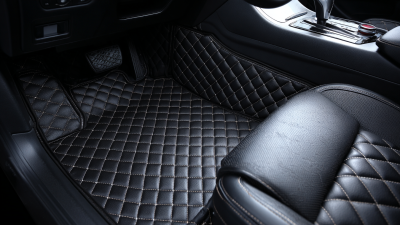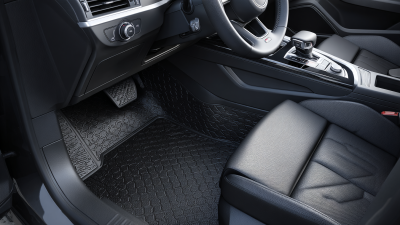
Weather mats for cars are such a handy way to protect your ride from rain, mud, snow, sand, and those everyday spills. Unlike those super thin carpet mats, they’re usually made of rubber or flexible thermoplastic, which just feels more solid and practical. The raised edges are a real lifesaver—they help contain water and dirt right where they fall, instead of letting it spill all over the carpet. Plus, having a textured surface makes it less slippery when your shoes are wet—so you don’t end up slipping around. Small things like retention clips, a molded heel pad, and contours that fit your vehicle perfectly really make a difference day to day.
Sometimes, you only really notice how good your mats are after a rough commute in a storm. Water stays put in the mat instead of soaking through to the carpet underneath. Mud? Easily rinsed out with a hose. Crumbs? A quick sweep or wipe does the trick. But, gotta admit—no mat is foolproof. Deep snow, sharp gravel, or mats that aren’t fitting just right can still cause issues. So, it’s really important to double-check that the mat matches your specific car—year, model, trim included. Universal mats often leave gaps around the pedals or door sills, which can feel a bit annoying.
Choosing the right mats isn’t just about how they look, though. It’s a good idea to look for clear info about what they’re made of, see if they have tested retention features, and read honest reviews from other drivers. Also, check the manufacturer’s care instructions—they can make a big difference over the long run. After installing, a quick pedal clearance check is a small step that can help prevent accidents and keep things safe. And if the company offers a solid warranty, it’s usually a good sign that they stand behind their product. Of course, personal needs matter too—if you’re a city driver, easy cleaning might be your top priority, but if you’re out in the country, maybe tough surfaces and deeper channels are more important. Bottom line: Weather mats are more than just some accessories—they’re practical tools to protect your car’s interior. Just make sure you get the right fit, and you’ll be good to go!
Weather mats are molded floor liners designed to catch water, mud, sand, and melting snow. Unlike ordinary carpet mats, they usually have raised edges and deep channels. These features keep liquid away from the vehicle’s carpet and make cleaning easier. A hose, towel, and several minutes can often remove the mess. They are practical.
Material matters. Thermoplastic rubber remains flexible in cold weather, while some plastics become stiff and slippery. The right liner should match the vehicle’s floor shape, anchor points, and pedal clearance. NHTSA’s floor-mat safety guidance warns that loose or incorrectly installed mats can interfere with accelerator or brake pedals. A technician should check the driver’s mat after every installation. Fit matters more than appearance.
Industry demand also reflects this practical function. Grand View Research’s Automotive Floor Mats Market Size report estimated the global market at about USD 1.4 billion in 2023, with continued growth expected through 2030. That figure includes several mat types, not only weather liners, so it should not be overinterpreted. Still, it shows sustained interest in interior protection. In everyday driving, one weak point remains: deep channels can trap grit and moisture. Regular removal and drying are necessary. A weather mat reduces cleaning work, but it does not eliminate maintenance.
Weather mats protect a vehicle’s interior by controlling water, mud, sand, and road salt. Their raised edges help contain spills before moisture reaches the carpet. I have seen ordinary floor coverings become saturated after one rainy commute. The carpet underneath stayed damp for days. That trapped moisture can create unpleasant odors and encourage mold growth over time.
During winter, weather mats catch slush before it spreads beneath the pedals. In coastal areas, they also reduce contact with salty grit that may accelerate floor corrosion. Their textured surfaces give shoes better traction, even when wet. Not magic. They still need regular cleaning and drying. A soaked mat can hold moisture against the floor if it remains installed for too long.
Fit is critical. A loose mat can slide forward and interfere with pedal movement, creating a serious safety concern. Mats should match the vehicle’s footwell and remain secured through approved anchor points. I once assumed a properly shaped mat needed little attention. It looked secure, but dirt had collected underneath and scratched the floor coating. That mistake changed my routine. I now lift each mat, rinse away fine grit, and check the surrounding carpet after heavy rain or snow. Their protection depends on maintenance, not appearance alone.
Weather mats are designed to handle rain, mud, snow, and daily spills. Their material often determines how well they perform inside a vehicle. I have found that material choice matters more than a dramatic tread pattern.
Natural or synthetic rubber
Natural or synthetic rubber remains a common option. It feels flexible, grips the floor, and resists water effectively. Rubber mats are usually easy to rinse after muddy trips. However, some rubber can release a noticeable smell when new. Heat may also make softer mats curl slightly if they are stored badly. That detail is easy to overlook.
Thermoplastic elastomer
Thermoplastic elastomer, often called TPE, offers another practical choice. It is flexible, waterproof, and generally less sensitive to cold than ordinary plastics. Its firm surface can hold melting snow without soaking through. Some TPE mats also use raised edges to contain muddy water. They can feel less soft underfoot, though that is not always a serious problem.
PVC is used in some weather mats because it is affordable and water-resistant. It can be molded into deep channels for dirt and liquid. Yet, low-quality PVC may become stiff in winter or fade under strong sunlight. Carpet-backed mats provide a softer feel, but they absorb moisture and need more careful drying. I once underestimated that maintenance. A mat that looks clean may still hide dampness beneath its surface. The best material depends on climate, driving habits, and how often the mats are cleaned.
Rain, snow, dust, and heat challenge a car’s floor in different ways. Weather mats offer practical protection across these climates. According to NOAA’s 1991–2020 Climate Normals, many U.S. regions receive substantial seasonal rainfall or snowfall. That moisture can soak carpets, create odors, and encourage corrosion near metal floor fittings. In rainy cities, raised edges help contain water from wet shoes and umbrellas. In snowy areas, deeper channels hold slush before it spreads under the pedals. Small detail. It matters daily.
Dry climates create another problem. Fine sand and road dust can settle beneath loose carpeting, where ordinary vacuuming misses them. A weather mat is easier to remove, shake, and wash. In hot regions, however, material stability matters because vehicle interiors can reach extreme temperatures. Poorly fitted mats may curl or shift. NHTSA safety guidance has repeatedly emphasized securing floor mats and preventing interference with accelerator or brake pedals. Fit is not optional. I have seen owners focus on waterproofing while ignoring movement. That is a mistake. A mat should match the vehicle’s footwell, remain flat, and allow clear pedal travel. NOAA data describes regional averages, not every driveway or storm, so climate protection still requires regular inspection. Snow packed into channels can freeze overnight. Mud can hide underneath. Good habits complete the product’s protection.
| Climate or Driving Condition | Common Interior Challenge | How Weather Mats Help | Useful Design Features | Maintenance Guidance |
|---|---|---|---|---|
| Rainy or Humid Climates | Water, mud, and moisture can be carried into the cabin on shoes. | Raised edges and molded channels help contain liquid and reduce contact with the carpet. | Deep grooves, raised borders, anti-slip backing, and secure retention points. | Remove the mats, rinse them, and allow them to dry before reinstalling. |
| Snowy or Icy Climates | Snow, slush, road salt, and grit may melt onto the floor. | Water-resistant surfaces and containment channels help keep melted snow away from the carpet. | High sidewalls, textured surfaces, flexible cold-weather material, and strong anchoring. | Empty melted water regularly and rinse away salt residue to help prevent buildup. |
| Hot and Dry Climates | Dust, sand, and frequent sunlight can make the interior harder to clean. | A smooth, sealed surface makes loose dirt easier to remove than from vehicle carpeting. | Low-absorption surface, textured grip, UV-resistant material, and a stable fit. | Shake or vacuum off sand before rinsing; avoid leaving wet mats in a hot, closed vehicle. |
| Muddy or Rural Conditions | Thick mud, soil, and plant debris can become embedded in carpet fibers. | Deep channels collect debris and allow the mat to be removed for cleaning. | Deep tread pattern, raised perimeter, flexible construction, and full floor coverage. | Let heavy mud dry when practical, loosen debris outdoors, then wash and dry thoroughly. |
| Mixed or Four-Season Climates | The vehicle may face rain, snow, dust, and temperature changes throughout the year. | One durable, cleanable surface provides more consistent protection across changing conditions. | All-weather material, drainage channels, raised edges, and precise vehicle-specific fit. | Inspect fit and retention points seasonally; clean whenever debris or liquid accumulates. |
| Frequent Family or Pet Use | Food particles, drink spills, hair, and outdoor debris may reach the floor area. | Removable, non-absorbent mats simplify routine cleaning and help protect the original carpet. | Easy-lift edges, stain-resistant surface, anti-slip backing, and washable construction. | Use mild soap and water when suitable; follow the care instructions for the specific material. |
Weather mats protect vehicle floors from rain, snow, mud, and spilled drinks. Their raised edges help contain water before it reaches the carpet. A wet boot can leave a surprising amount behind.
Carpet floor mats provide a softer, quieter feel underfoot. Their woven fibers can match a vehicle’s interior and hold light dust effectively. However, those fibers absorb moisture. Damp mats may develop odors if they are not removed and dried properly.
Weather mats usually release dirt with a quick rinse, while carpet mats often need vacuuming and deeper cleaning. That difference saves time.
In daily use, material choice depends on local conditions and driving habits. Weather mats suit muddy roads, heavy rain, snowy areas, and frequent outdoor work. Carpet mats may feel better in dry climates with cleaner footwear. Fit matters more than many buyers expect. A loose mat can shift and interfere with the pedals, so secure fasteners and correct sizing deserve careful inspection. In practice, weather mats can look less refined after repeated scuffing. Carpet mats can look worn after one messy season. Neither option is perfect. The better choice is the one that matches the vehicle, climate, and cleaning routine.
Why Choose Weather Mats For Cars?
What Features Should You Consider Before Choosing Weather Mats?
Weather mats protect a car’s floor from rain, snow, mud, sand, and spilled drinks. Their raised edges help contain water before it reaches the carpet. A precise fit matters because loose mats can slide beneath the pedals. Check the vehicle’s exact model, year, and floor shape before buying. Retention clips are valuable. They help keep the mat stable during daily driving.
Material also deserves careful attention. Thick rubber or flexible thermoplastic usually resists moisture and repeated bending. However, an extremely stiff mat may curl in cold weather. I once chose a heavy mat that looked durable, but it was awkward to remove and clean. That assumption was wrong. Look for a textured surface that improves grip without trapping too much dirt. Smooth channels are easier to rinse. Deep grooves provide more capacity in wet climates. Odor is another practical detail, especially inside a closed car. A low-odor material can make long drives more comfortable.
Tips: Place the mat on a flat surface before installation. Confirm every clip locks securely. Test pedal movement afterward. Remove the mat and rinse it regularly, because hidden grit can wear the carpet. Check the edges after several weeks. They may soften or curl. No mat is perfect. Your climate, driving habits, and cleaning routine should guide the final choice.
Weather mats help protect vehicle carpeting from rain, snow, mud, sand, and road salt. Before choosing one, consider temperature resistance, water containment, cleanability, flexibility, and fit.
The chart compares typical published temperature ranges for common automotive mat material classes. Actual performance varies by formulation, thickness, UV exposure, and vehicle conditions. For year-round use, materials with a wider temperature range generally offer better flexibility in both freezing and hot weather.
The global automotive floor mat market is expanding as drivers prioritize durable, easy-clean cabin protection. Grand View Research reports that the market is expected to grow at a mid-single-digit compound annual growth rate through 2030, supported by rising vehicle ownership, replacement demand, and consumer interest in all-weather interiors. PVC remains a practical material because it resists moisture, mud, and everyday abrasion while allowing simple cleaning after rain or snow.
Model No. #21874 is designed as a universal solution for front and rear footwells, with front dimensions of 65 × 51 cm and rear dimensions of 32 × 46 cm. Its PVC construction provides a flexible barrier against water and dirt, while the available black, grey, and tan colors suit different interior styles. The 3.7 kg package includes a hanger and paper card, making it suitable for retail display and distribution.
NHTSA safety guidance emphasizes that floor mats should fit properly, remain securely positioned, and never interfere with accelerator or brake pedals. Accordingly, installation should be checked before driving, with the mat lying flat and any vehicle retention points properly engaged. The universal format offers broad vehicle-category compatibility, but users should verify footwell coverage and pedal clearance before use.
Weather mats are molded liners that catch water, mud, sand, and melting snow. Raised edges and deep channels protect the carpet. They are practical.
They contain wet dirt before it spreads across the footwell. During rain, a liner may keep the carpet drier. In winter, it catches slush and road salt. Protection still depends on regular cleaning.
They can be safer when correctly shaped and securely anchored. A loose mat may interfere with accelerator or brake movement. Check pedal clearance after installation. Fit comes first.
Rubber stays flexible and grips the floor in many conditions. Thermoplastic elastomer remains flexible during cold weather. Some plastics become stiff or slippery. Material choice matters more than dramatic tread patterns.
Yes, rubber mats usually resist water and rinse easily. A hose can remove much of the mud. New rubber may have a noticeable smell. Softer types might curl after poor storage.
Thermoplastic elastomer is flexible, waterproof, and suitable for colder climates. Its firm surface can hold melting snow. It may feel less soft underfoot. That may be acceptable for easier cleaning.
Carpet-backed mats feel softer but absorb moisture more easily. They need careful drying after rain or snow. A clean-looking mat may still hide dampness underneath. I underestimated that once.
Lift each mat after heavy rain, snow, or muddy driving. Rinse away fine grit, then dry the mat and floor. Check underneath for trapped moisture or scratches. Do not leave a soaked mat installed too long.
Deep channels hold liquid and grit, which helps protect the carpet. However, trapped moisture can remain against the floor. Fine sand may also scratch the floor coating. Useful design, imperfect result.
Match the liner to the vehicle’s floor shape and anchor points. Confirm pedal clearance before driving. Consider local weather, storage conditions, and cleaning habits. Appearance alone is not enough.
Weather Mats For Cars are specially designed floor coverings that help protect a vehicle’s interior from dirt, water, mud, snow, sand, and everyday spills. Unlike standard carpet mats, they are usually made from durable rubber, thermoplastic materials, or other flexible, water-resistant compounds. Their raised edges, textured surfaces, and shaped designs help contain moisture and debris, making cleanup easier while reducing the risk of stains, odors, and long-term floor damage.
These mats are useful in many climates, from rainy and snowy regions to hot, dusty areas. They provide practical protection throughout the year and can help preserve the vehicle’s appearance and resale value. When comparing them with carpet mats, consider durability, coverage, fit, grip, ease of cleaning, flexibility, and resistance to heat or cold. A good choice should stay securely in place, match the vehicle’s floor shape, and offer reliable protection without interfering with pedals or passenger comfort.